Annie Leibovitz faces backlash over Mexico City World Cup photo exhibition
Annie Leibovitz’s Mexico City World Cup exhibition was hit by backlash after a warm-tinted soccer portrait drew criticism as a “Mexico filter.”
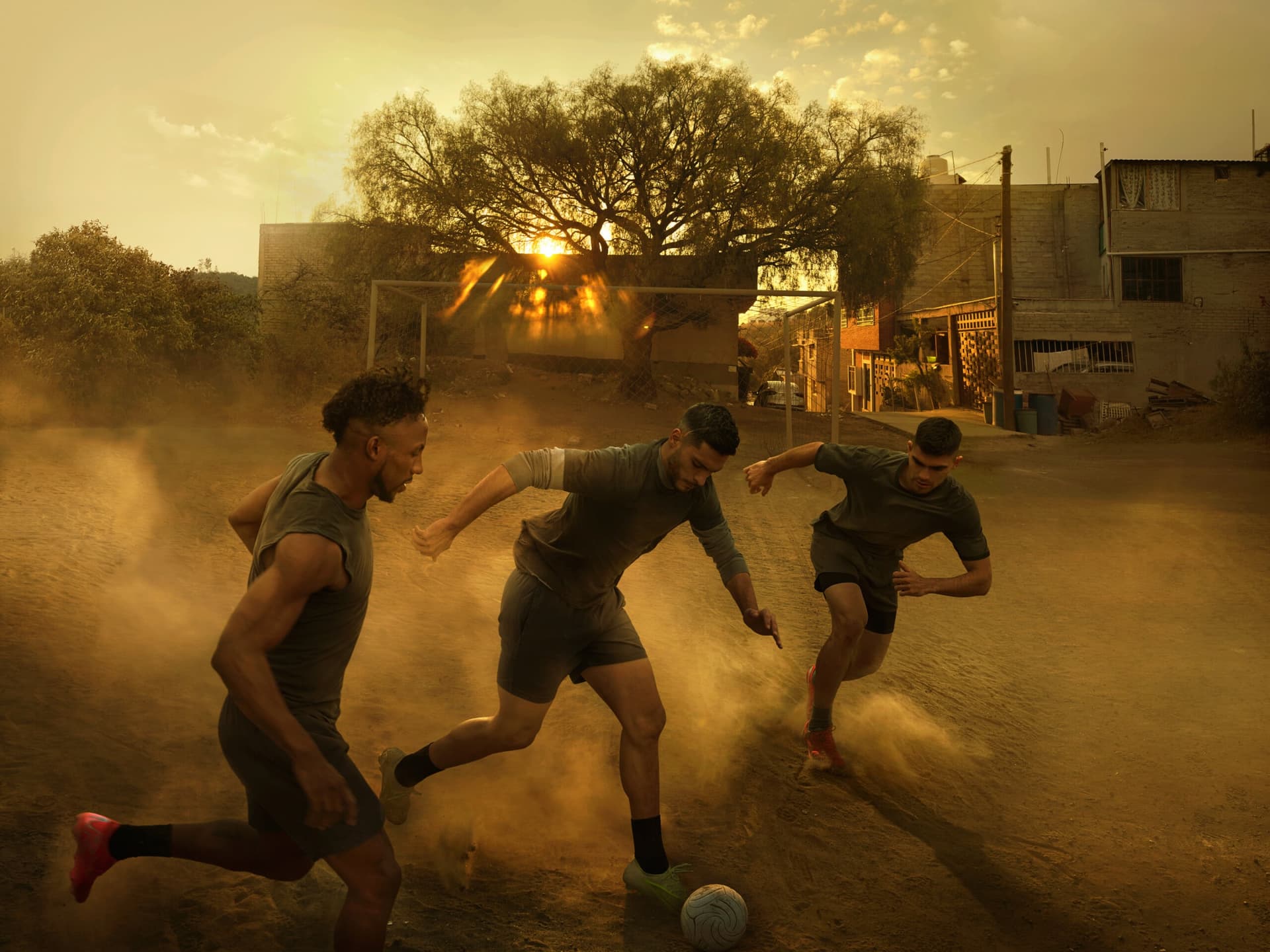
Annie Leibovitz’s Instagram post from her Futbol 2026 exhibition in Mexico City set off a backlash over a warm tint viewers quickly labeled a “Mexico filter.” The criticism centered on one photograph of Mexican players Raúl Jiménez, Johan Vásquez and Julián Quiñones on a dusty field at sunset, and it spread fast enough to turn a single edit choice into the story.
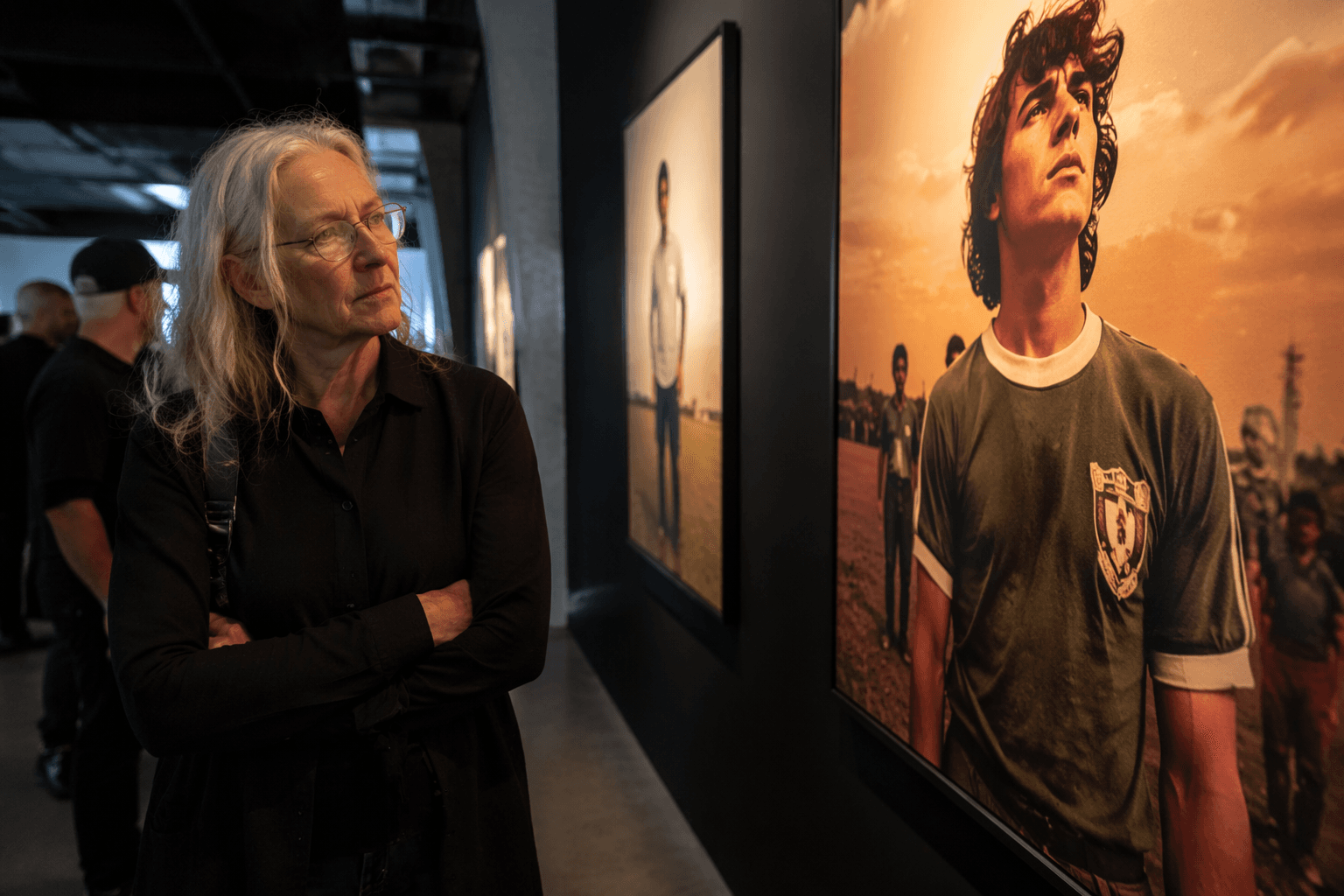
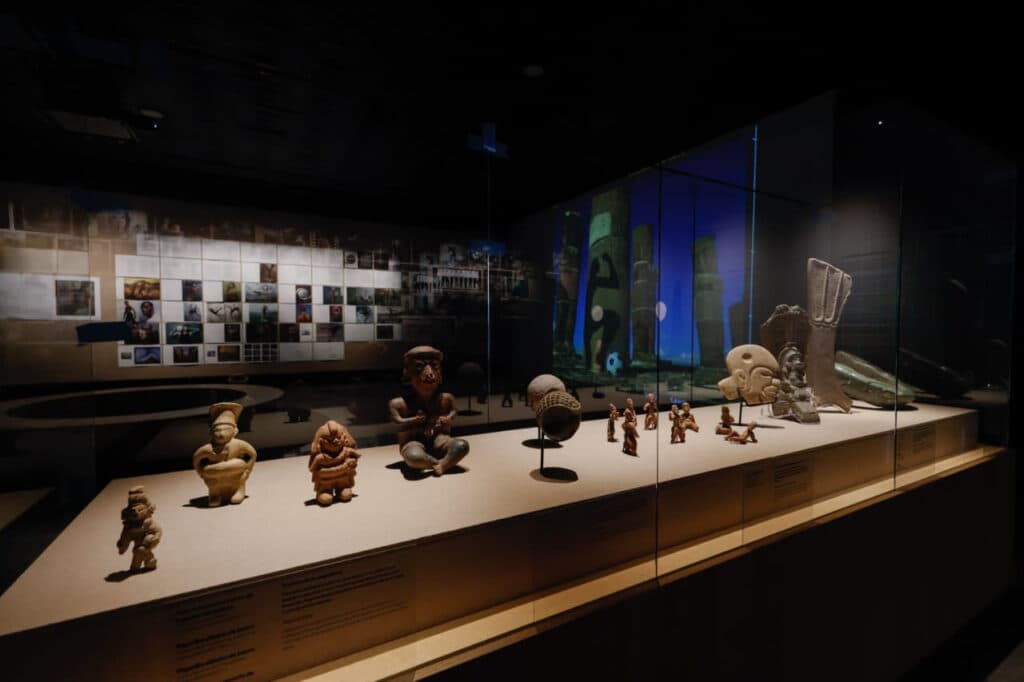
The image was tied to Futbol 2026, a soccer-themed exhibition at the Museo Nacional de Antropología, where the museum lists the show from June 9 to August 30, 2026, in Sala A1. The project sits inside a much larger World Cup buildout: FIFA says the 2026 tournament will run from June 11 to July 19, will be the first with 48 teams, and will be co-hosted by Canada, Mexico and the United States.
That timing matters. FIFA says the tournament is expected to draw more than 6.5 million fans to stadiums across North America, with 16 venues across the three countries. Mexico will become the first nation to stage a men’s World Cup for a third time, after 1970 and 1986, and Mexico City’s stadium is set to host the opening match. Against that backdrop, a photograph meant to feel celebratory landed as a test of visual judgment.
What drew the sharpest response was not the subject matter, but the way Leibovitz rendered it. PetaPixel’s account of the online reaction framed the debate around the warm grading itself, with critics objecting to the look rather than to the fact that the image showed Mexico’s players. That is the fault line photographers know well: once a picture is being read as cultural documentation, color balance stops being a private stylistic choice and starts carrying public meaning.
Leibovitz is hardly new to scrutiny, but this episode showed how quickly an edit can become a credibility issue when the photographer is working inside a high-profile museum show. The museum and exhibition materials position Futbol 2026 as a bridge between football photography and Mexico’s cultural roots, which makes the response even sharper. A portrait of a match on a dusty pitch was not just judged for composition or timing, but for whether its color treatment felt like interpretation or stereotype.
Leibovitz had also shown work in Mexico before, including Women: New Portraits in 2015, and recent Mexican coverage says she returned after about 10 years for this football project. That longer arc gives the backlash extra bite: when the image went online, the argument was no longer about one exhibition wall. It was about how fast a photographer’s style can turn into a cultural signal that audiences read, and reject, in an instant.
This article was produced by Prism’s automated news system from verified source data, official records, and press releases, then run through automated quality and moderation checks before publishing. The system is built and supervised by the people who set the standards it runs under. Read our full AI policy.
Did this article answer your question?