Astronaut captures stunning aurora from ISS with Nikon flagship camera
Sophie Adenot’s ISS aurora frame shows what a Nikon flagship can do when low light, motion and orbital constraints all collide.
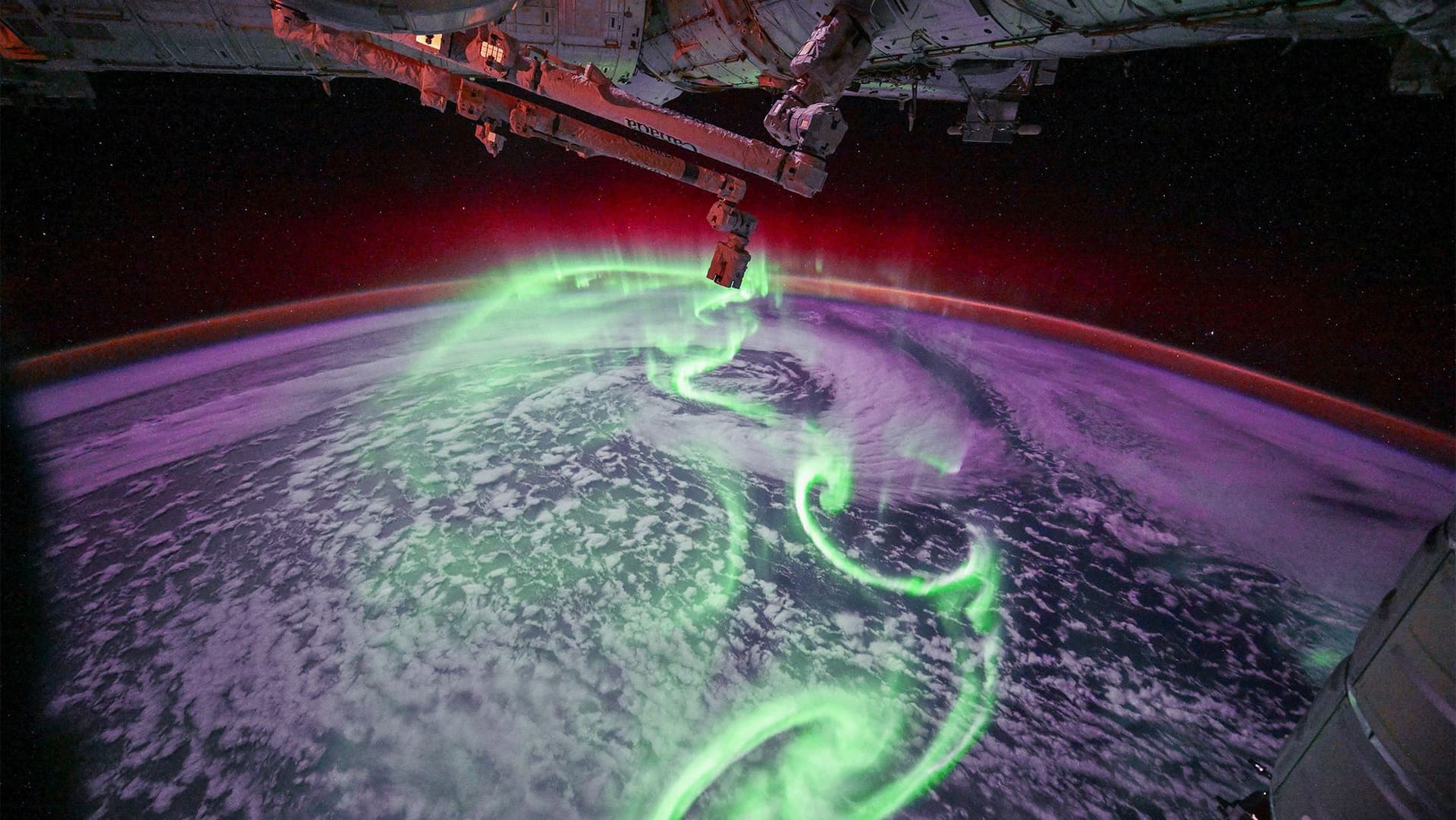
Astronaut Sophie Adenot turned the International Space Station into a hard test for a Nikon flagship body, then came away with an aurora image that stretches across the frame and across the imagination. The shot landed as more than a space spectacle: it showed how a familiar high-end camera can perform when the light is weak, the platform is moving and the subject is the Earth itself.
ESA published the aurora timelapse on 3 July 2026, from Day 139 of the psilon mission and orbit 2155. Adenot described it as “the most spectacular aurora of the psilon mission so far,” and the stills were made available in HD through her Flickr account. The sequence gave photographers something more concrete than a pretty view from orbit: a real-world example of a flagship Nikon body working in one of the toughest shooting environments on the planet, or above it.
That matters because space photography is brutally unforgiving. From the ISS, the camera has to cope with motion, variable lighting and the challenge of handheld framing when the window becomes the only viewfinder that matters. Adenot’s result suggests the kind of low-light resilience and handling that Nikon users look for in wildlife hides, sports arenas and night sessions back on Earth, where fast, dependable capture is often the difference between a keeper and a miss.
The image also sits inside a wider mission story. Adenot launched to the ISS on 13 February 2026 for ESA’s psilon mission, a nine-month flight aboard Crew-12 with NASA astronauts Jessica Meir and Jack Hathaway and Roscosmos cosmonaut Andrei Fedyaev. CNES has noted that psilon was the first flight of a French astronaut to the ISS since Thomas Pesquet’s Alpha mission in 2021, giving Adenot’s orbiting work extra national significance as well as photographic weight.
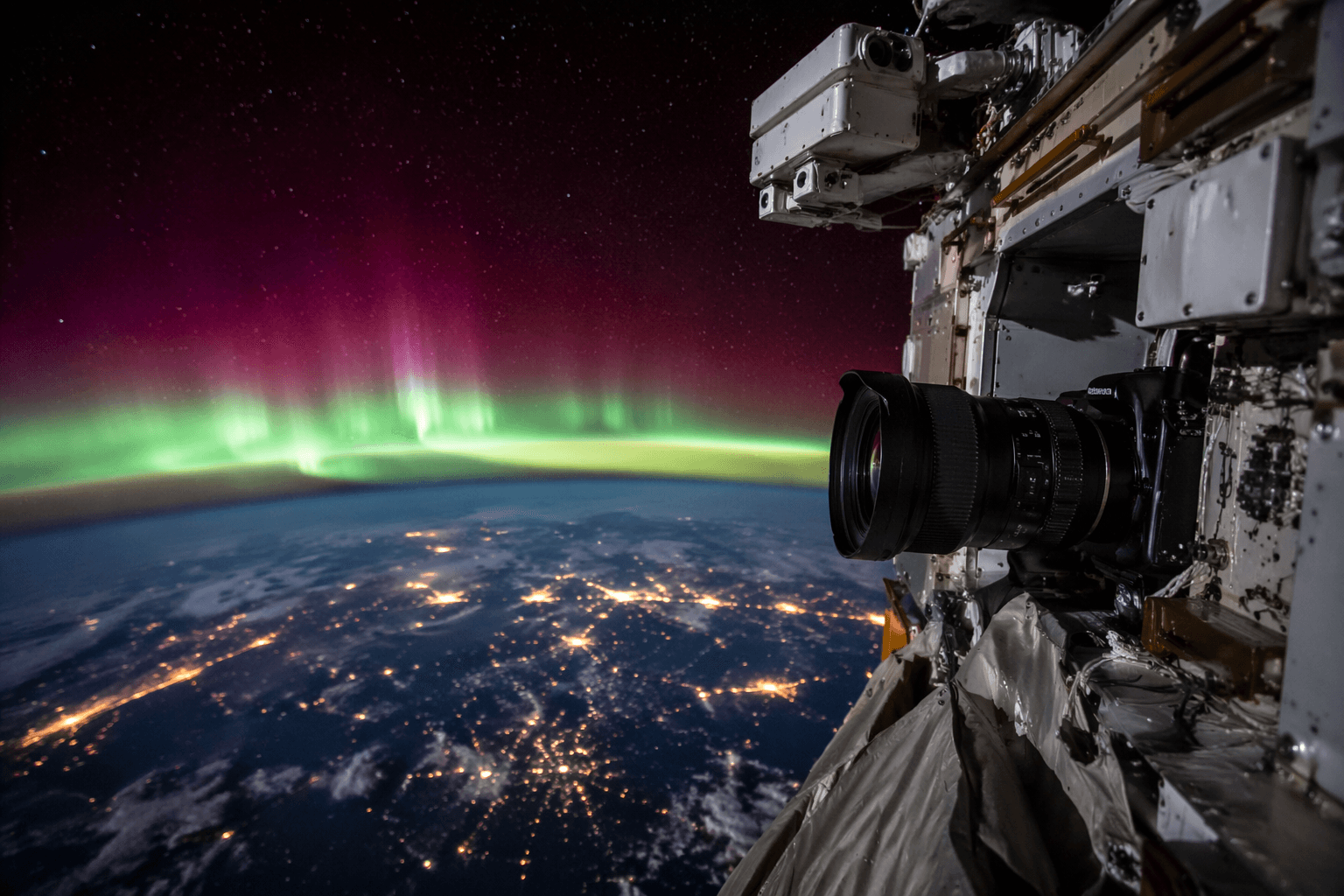
Adenot’s path to that frame was built long before launch. ESA selected her as an astronaut candidate in November 2022, she began basic training in April 2023 and earned astronaut certification at the European Astronaut Centre on 22 April 2024. That training shows in the timing and confidence of the aurora work: this was not a lucky press shot, but the output of a trained astronaut who knew how to spot a fleeting scene and trust the camera to hold up.
The result fits a tradition familiar to photography readers, with aurora imagery from orbit already established by astronauts such as Zena Cardman and Don Pettit. Adenot’s frame adds a fresh example to that lineage, and it does so with a Nikon body doing the sort of job that turns a gear choice into proof.
This article was produced by Prism’s automated news system from verified source data, official records, and press releases, then run through automated quality and moderation checks before publishing. The system is built and supervised by the people who set the standards it runs under. Read our full AI policy.
Did this article answer your question?