Camera traps in Honduras reveal rabbits, not tapirs, damage crops
Three camera traps in Mavita caught 27 crop-raiding encounters, and the main suspect in the yuca field was a rabbit, not an endangered tapir.
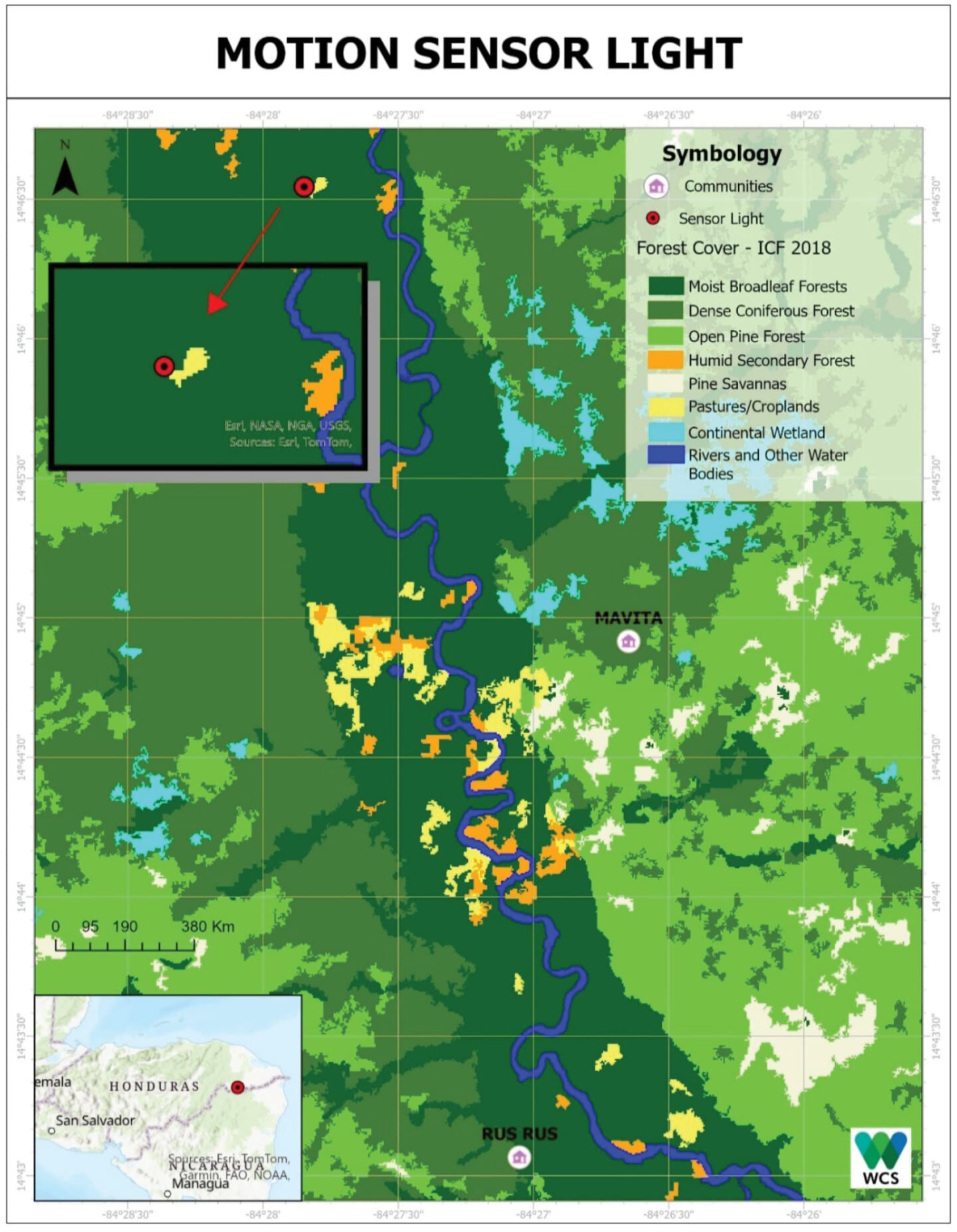
Three camera traps in the Miskitu community of Mavita, in Honduras’ Moskitia region, turned a crop-damage dispute into hard evidence. In a 10-hectare cassava, or yuca, field, footage collected from September 2024 through February 2025 showed that Honduran cottontail rabbits were the species most often caught interacting with the crop, not Baird’s tapir, which local farmers had blamed.
Researchers from the Wildlife Conservation Society Honduras Program and the Association for Sustainability and Scientific Research in Honduras set up the cameras with solar-powered, motion-activated LED lights in a forest mosaic of Caribbean pine and tropical rainforest. Each trigger captured 10-second video clips, and the system logged 27 independent interaction events over the monitoring period. By the end of the study, seven mammal species had been documented in the cassava field.
That list included Honduran cottontail rabbits, ocelots, jaguarundis, agoutis, opossums and tapirs. The study found no evidence that armadillos or pacas were feeding on the cassava. For a crop that matters as a subsistence staple in Miskito communities, that distinction is more than academic: cassava is tied directly to local food security and livelihoods, and misidentifying the culprit can send conflict in the wrong direction.
The stakes are especially high for Baird’s tapir. The species is listed as Endangered on the IUCN Red List, with population declines estimated at more than 50% over the past three generations, largely from habitat loss and hunting. In Honduras, tapirs have also been killed in retaliation when farmers believed they were raiding crops, including one conflict context that saw up to eight animals killed.
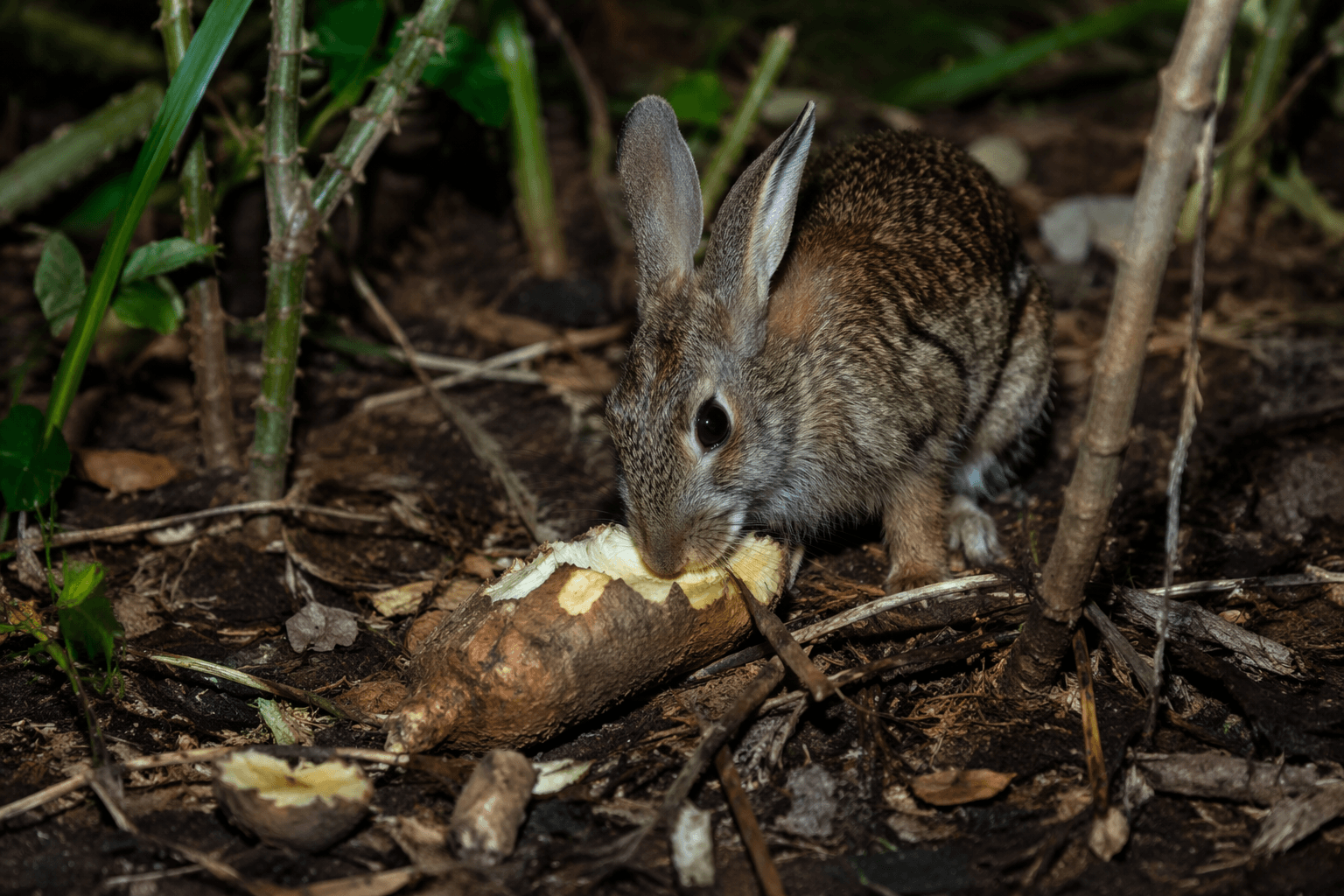
This is where camera traps earn their keep as conservation gear. They do not make a pretty frame, but they make a credible record, and credibility is what changes a farmer-wildlife argument. In Mavita, the footage gave researchers a way to point to the animals actually using the field and to separate rabbit damage from tapir blame.
The practical payoff is simple: once the real crop raiders are identified, conservationists can work on management that protects cassava without turning an endangered tapir into a target. In a place where a small camera setup answered a question that had already cost animals their lives, the value of wildlife imaging was measured in evidence, not aesthetics.
This article was produced by Prism’s automated news system from verified source data, official records, and press releases, then run through automated quality and moderation checks before publishing. The system is built and supervised by the people who set the standards it runs under. Read our full AI policy.
Did this article answer your question?