Canon still sells up to 620,000 DSLRs each year, and Go Tokura says the company will keep supporting them as long as customers keep buying them. For anyone deciding whether to hold onto an EOS 5D Mark IV, pick up a used Rebel body or switch to EOS R, that means Canon’s DSLR line is still a working system, not a museum piece.
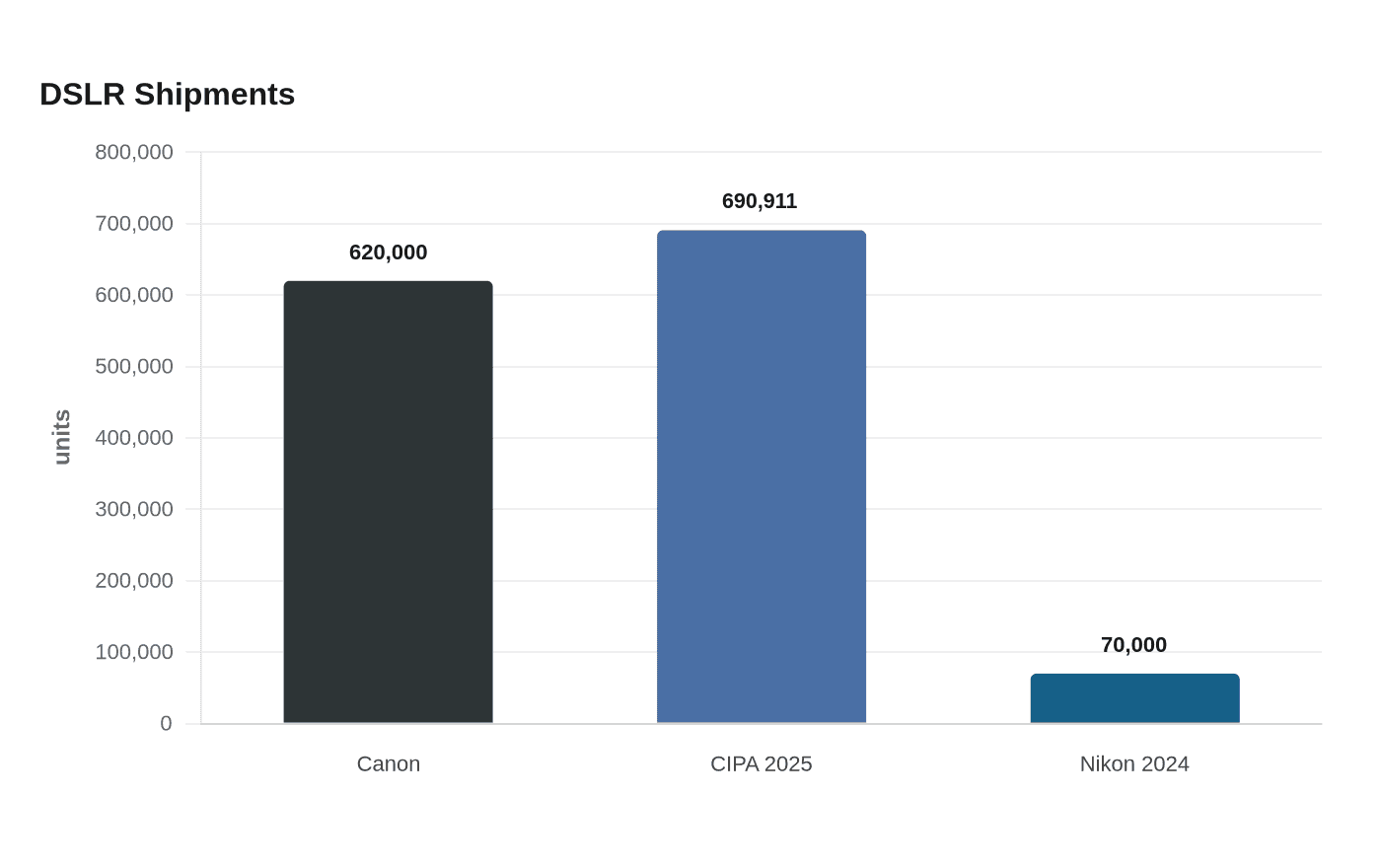
Tokura, Canon’s executive vice president and head of Imaging Group, framed the scale in blunt market terms: DSLRs may be only about 10 percent of the interchangeable-lens camera market, but that still translates to roughly 700,000 annual shipments. CIPA’s 2025 figures put global DSLR shipments at 690,911 units, alongside 6,311,054 mirrorless cameras. Mirrorless has the spotlight, but DSLRs are still moving in real numbers.

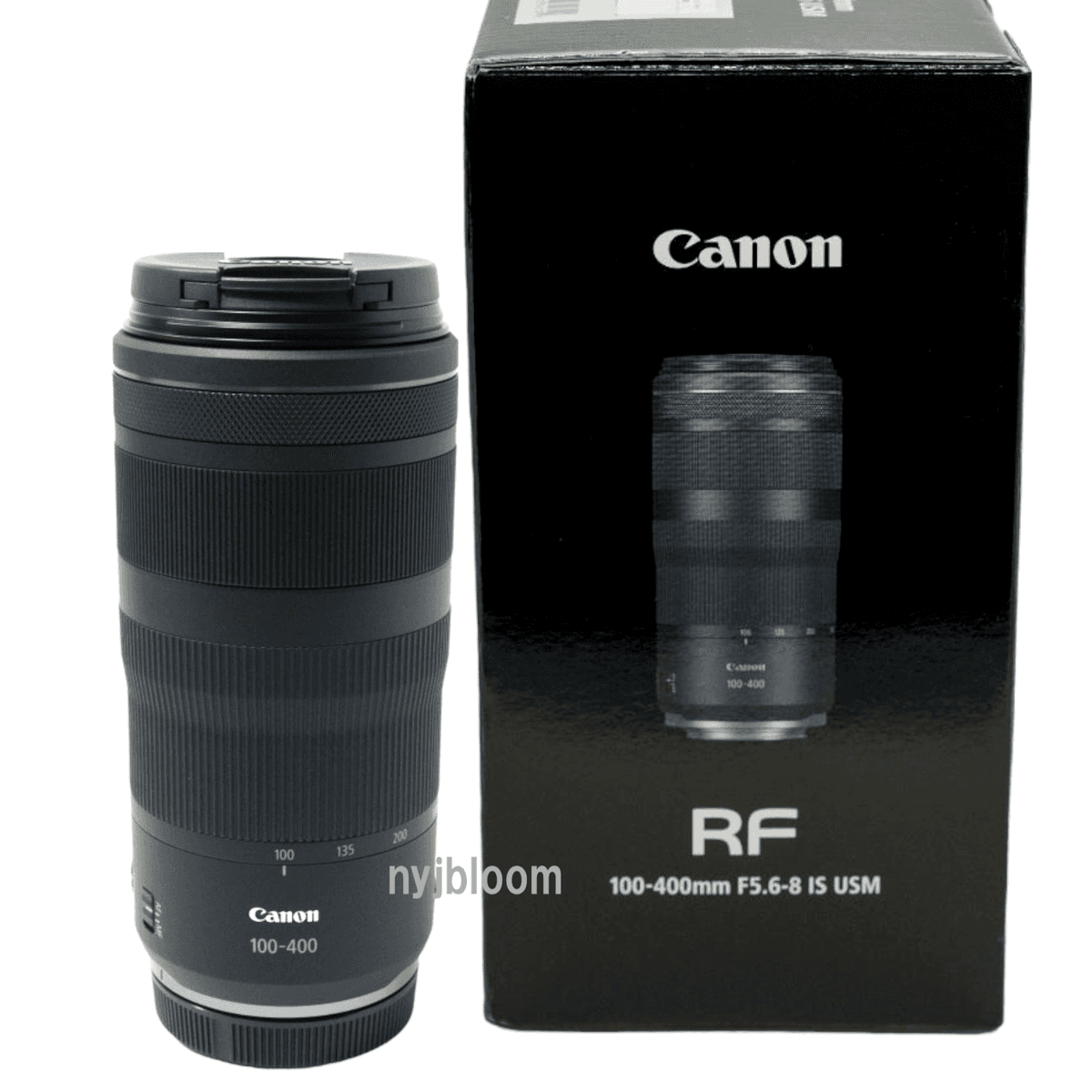
Canon’s support posture matches that reality. Canon U.S.A. still has dedicated shopping pages for DSLR cameras and DSLR lenses, and its support pages still cover the EOS-1D X Mark III. The company still lists three DSLR bodies for sale, including the EOS-1D X Mark III, EOS 5D Mark IV and Rebel T7, also sold as the 2000D in some markets. There are also 27 current Canon DSLR lenses listed in the Canon U.S. store, which matters more than nostalgia does for anyone with a bag full of EF glass.
That lens base is the core of the story. Canon moved its main development focus to RF-mount mirrorless cameras in 2020, and its U.S. camera page now leads with EOS R as the company’s flagship digital-camera family. But the company has not launched a new DSLR body since the EOS Rebel T8i, announced on February 12, 2020 as Canon’s newest Rebel DSLR at the time. The product cadence has slowed to a crawl, yet the service and retail infrastructure is still there.
The broader market supports Canon’s stance. Canon said in February 2026 that its interchangeable-lens digital cameras held No. 1 global market share for 23 consecutive years, from 2003 through 2025. Nikon’s DSLR volume, by comparison, was about 70,000 units in 2024, underscoring how much of the remaining DSLR business Canon still owns. For current owners, the message is plain: the category is shrinking, but it is not disappearing, and Canon is still treating it like an active part of the system.
Every story on Photography News is assembled by an automated editorial system that works from verified research, official records, and credible reporting, then clears automated accuracy and moderation checks before it goes live. The standards that system follows are set and overseen by the people who run the publication. Read our full editorial policy.
Did this article answer your question?