FCC fines eight firms over alleged DJI import evasion
Eight DJI-linked firms were hit with $25,000 FCC penalties, tightening pressure on the gray-market channels that keep drones in photographers’ bags.
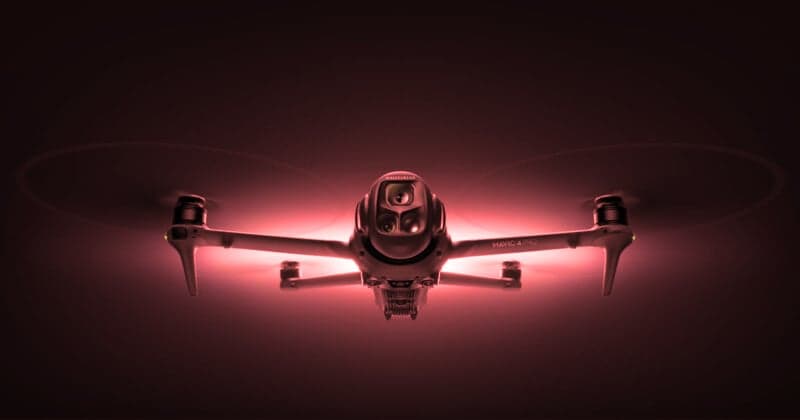
The FCC hit eight firms with $25,000 penalties each on July 10, 2026, stepping up its scrutiny of companies it says failed to answer investigative requests tied to DJI-related imports. The notices name Cogito Tech, Fikaxo Technology, Lyno Dynamics, Skyhigh Tech, Spatial Hover, SZ Knowact Robot, WaveGo Tech and Xtra Technology.
The agency’s Enforcement Actions page frames the case as “Proposed Fines for Failure to Respond to Investigative Requests,” which matters because this is not a broad public warning or a final ruling on drone imports. It is a formal enforcement step, with separate notices posted for each company and a July 20 deadline for responses before the FCC can consider additional measures. In other words, the agency is already probing the pathways that may be moving DJI technology into the United States under different corporate names.
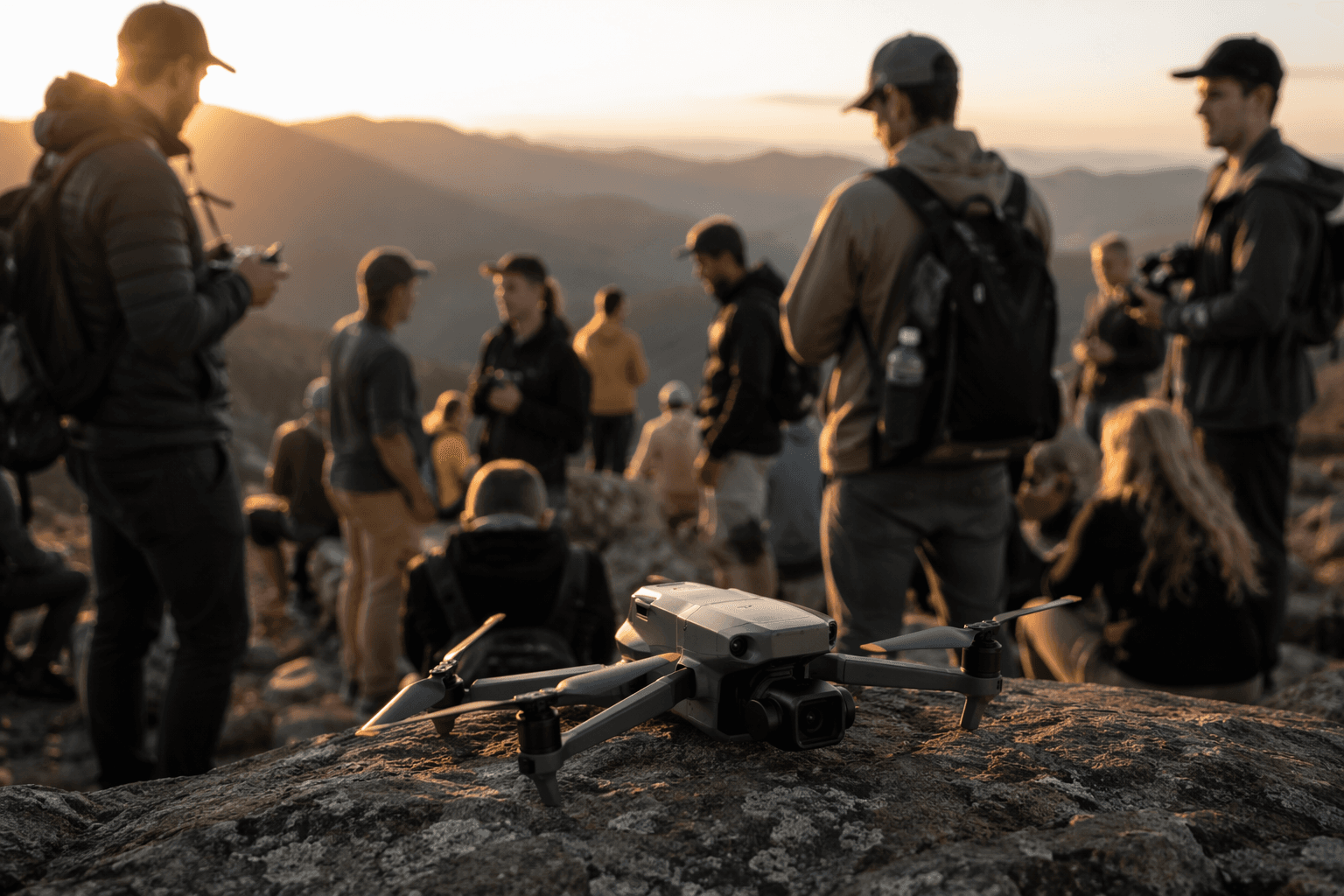
That pressure lands on a DJI market that was already getting tighter. The FCC added foreign-made drones to its Covered List in 2025, a move that has been described as effectively blocking new foreign-made drones from legal import unless an exception is made. DJI then filed a Petition for Reconsideration on January 21, 2026, challenging the modification. The Public Safety and Homeland Security Bureau also expanded the Covered List to include DJI’s communications and video surveillance equipment and services, widening the regulatory reach beyond the drone body itself.
For photographers and videographers, the risk is practical, not abstract. DJI is still one of the biggest names in aerial imaging, which means any squeeze on its U.S. supply chain can show up in the places shooters feel fastest: higher street prices, thinner inventory, slower repairs, fewer accessories and more hesitation from resellers. That is especially true for creators who rely on DJI drones for real estate work, travel content and client video jobs, where a missing battery or a delayed repair can kill a shoot schedule.
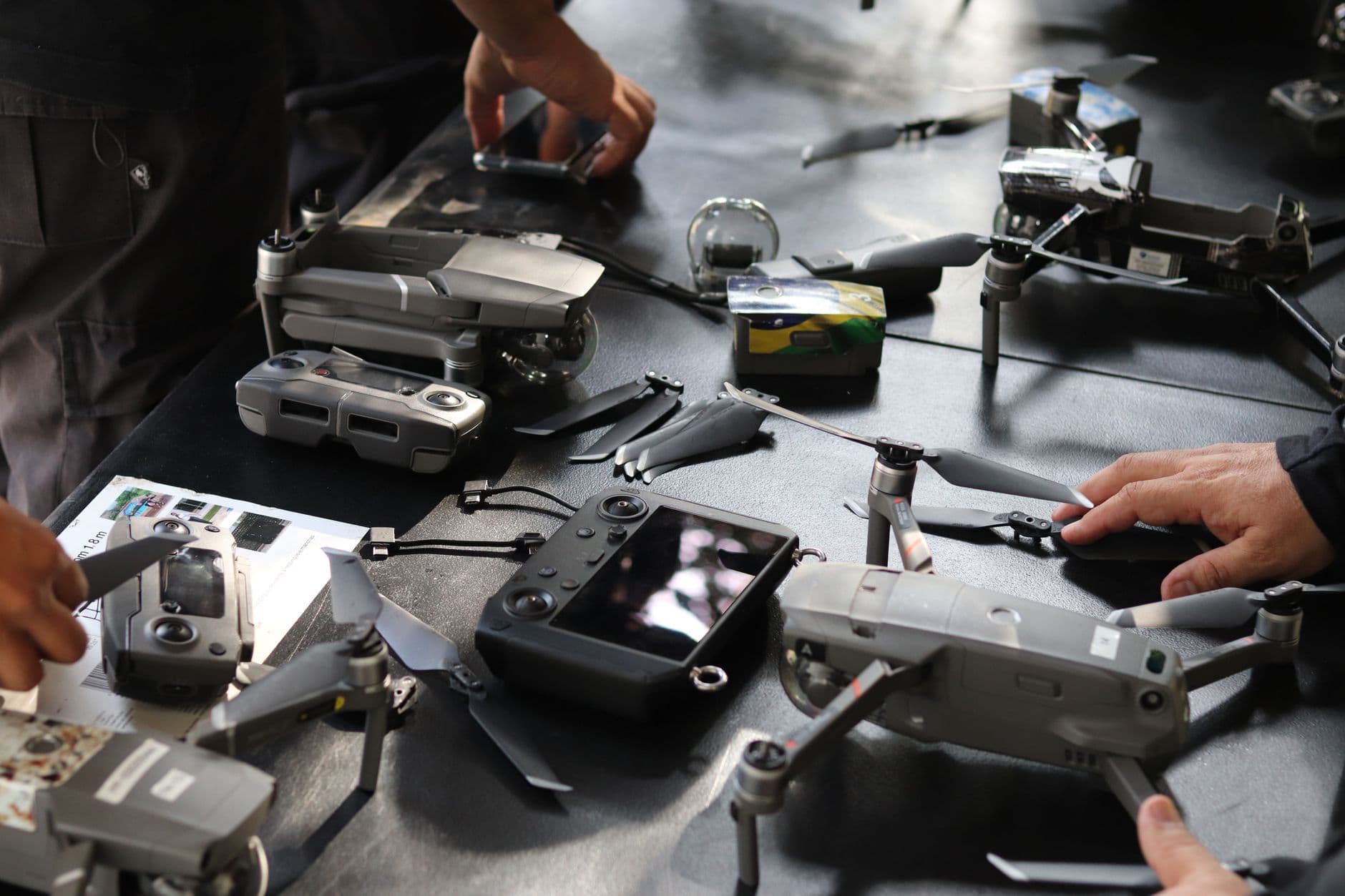
The bigger problem is uncertainty. If the FCC keeps pressing on the companies that sit between DJI and U.S. buyers, the market can get messier long before a single drone disappears from the sky. For anyone buying, repairing or reselling DJI gear, July 10 looked less like a paperwork fight and more like another warning that access to the ecosystem is getting harder to predict.
This article was produced by Prism’s automated news system from verified source data, official records, and press releases, then run through automated quality and moderation checks before publishing. The system is built and supervised by the people who set the standards it runs under. Read our full AI policy.
Did this article answer your question?