Film photography makes a real comeback in Japan, driven by Gen Z
Pentax 17 pre-orders sold out in Japan as 20-somethings and 30-somethings pushed film back into the market. Used bodies, social media and slower shooting are keeping it there.
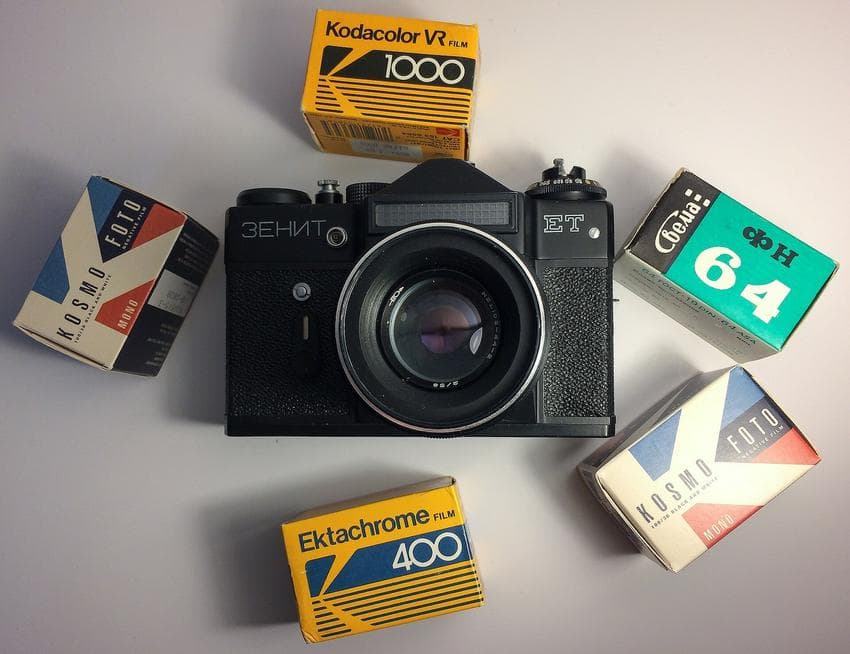
Ricoh Imaging’s PENTAX 17 hit Japan on June 18, 2024, and pre-orders quickly sold out, a sharp signal that film is no longer just a collector’s lane. The half-frame camera grew out of Ricoh’s Film Camera Project, first announced in December 2022, and it kept the controls that matter to film users: manual film-winding and zone-focus operation.
The customer base behind that demand looks younger than the old-school nostalgia crowd. In a Japanese Film Photography Survey 2024 that ran from November 26 to December 31 and drew 802 responses, 51% of respondents were in their 20s or 30s. The survey estimated that Japanese film shooters used an average of 13.7 rolls of 35mm film a year and owned 6.2 film cameras each. Among people who had started film photography in the past five years, internet and social networking sites were the biggest trigger, which tells you a lot about how the revival now works: film is being discovered, displayed and traded online as much as it is being shot.

That shift is also changing what digital is failing to provide. Younger photographers are not just buying film for the look, they are buying the pace. A roll forces restraint, and the delayed payoff makes the finished frame feel earned instead of endless. Japan’s used-camera market keeps that habit practical. Kitamura Camera says it carries about 5,000 used cameras and puts special emphasis on film cameras and manual lenses, which makes Tokyo one of the easiest places to walk out with a working body instead of a museum piece.
The market is backing that up with real money. Fujifilm announced a 4.5 billion yen investment in September 2023 to expand INSTAX film production at its Ashigara site in Kanagawa Prefecture, with capacity set to rise by about 20% as new lines came online in stages from autumn 2024. Fujifilm said the combined expansions would lift production about 40% versus fiscal 2021. Then, on April 1, 2025, it raised some film prices in Japan by about 21% to 22% for color negative film and 31% to 52% for reversal film, with disposable film cameras up around 44%, a reminder that the boom is happening despite higher costs, not because film has become cheap.

That is why the sold-out PENTAX 17 matters. It shows a market where younger shooters are paying for a camera that slows them down, gives them something physical to hold, and turns each frame into a deliberate choice in a digital world that can feel disposable.
This article was produced by Prism’s automated news system from verified source data, official records, and press releases, then run through automated quality and moderation checks before publishing. The system is built and supervised by the people who set the standards it runs under. Read our full AI policy.
Did this article answer your question?