How a 2002 Sony Cyber-shot photo spawned Backrooms fame
A yellow-lit Sony Cyber-shot frame from Oshkosh became the Backrooms because its emptiness, color cast, and spatial drift felt wrong enough to haunt the internet.
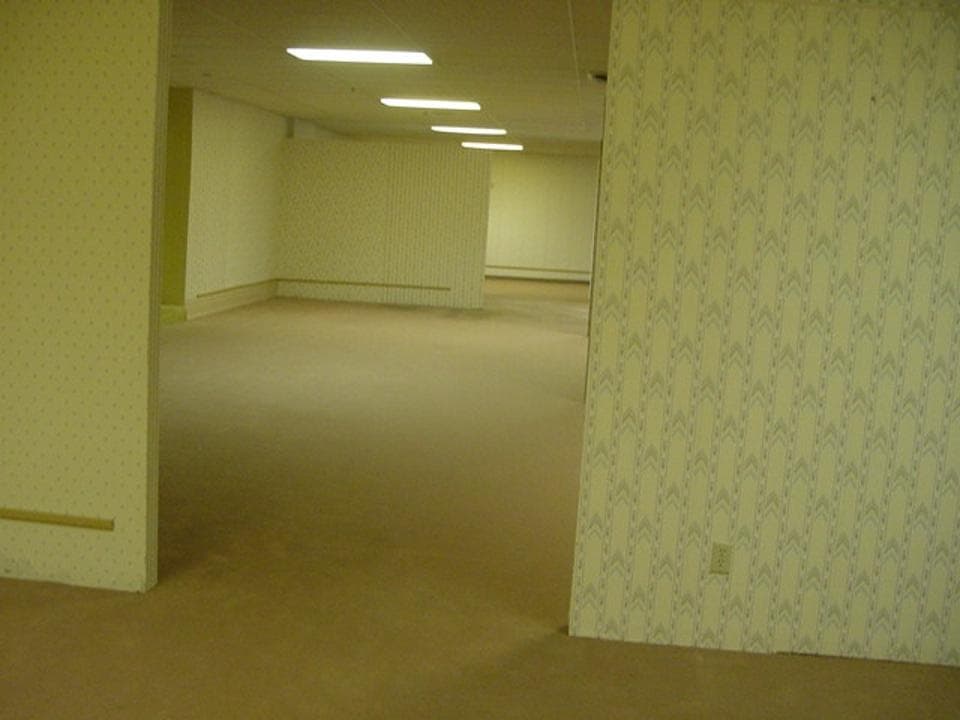
A yellow-tinged room with fluorescent light, no windows, and almost nothing to orient the eye turned into one of the internet’s most durable nightmares. The image started as a plain Sony Cyber-shot snapshot, but the mix of flat light, empty floor space, and confused scale gave it the kind of visual friction that people remember long after they forget the source.
The ordinary photo that behaved like a glitch
The Backrooms image works because it looks accidental and composed at the same time. The room is bathed in fluorescent light, the color leans sickly yellow, and the frame offers no clean escape route for the eye. Nothing in it is sensational, yet the emptiness becomes the subject, and that is exactly why it lingers.
The original file name, Dsc00161.jpg, makes the whole thing feel even more modest. It reads like a throwaway camera dump, not the seed of a mythology. That contrast is the point: the frame does not advertise itself as eerie, it becomes eerie through repetition, isolation, and the viewer’s own need to explain what they are seeing.
How a meme learned to haunt itself
The image was already circulating before the legend attached itself to it, but the turning point came on May 12, 2019, when a 4chan post explicitly framed it as a response to a request for unsettling images. That is when the Backrooms name and its lore started to snowball into something bigger than a single post or a single picture.
From there, the concept spread outward in the way internet horror usually does when it catches a strong visual hook. Fan-made levels, entities, games, and short films built a shared universe around the original frame, turning a one-off image into a collaborative myth. The horror was never just in the picture itself, but in how quickly other people could project architecture, rules, and menace onto it.
The real place behind the yellow walls
The mystery lasted until 2024, when online sleuths and the Internet Archive traced the picture back to a March 2003 HobbyTown webpage in Oshkosh, Wisconsin. The archived page identified the setting as the former Rohner’s Home Furnishings building, with the second floor being renovated by the new tenants. That detail matters because it strips away the supernatural gloss and leaves the photograph exactly where it began, inside an ordinary commercial transition.
This is the part photographers should study closely. The image did not come from a purpose-built horror set or a stylized abandoned space hunt. It came from a real building in the middle of renovation, where utility, old fixtures, and fluorescent spill produced a frame that happened to feel wrong. The story is less about finding a haunted place than about recognizing how renovation light, empty rooms, and awkward geometry can generate unease all by themselves.
What the Backrooms proves about photographic uncanny
The Backrooms image is a useful lesson in how banal-looking photographs acquire emotional voltage. It does not rely on a dramatic subject, and it does not need a visible threat. Instead, it uses composition, lighting, emptiness, color cast, and spatial ambiguity to keep the viewer from settling into a stable read of the room.
If you want to understand why it spread, start with the ingredients that make a frame feel unresolved:
- Fluorescent lighting that flattens texture and drains warmth.
- A yellow or green color cast that makes the scene feel chemically off.
- Empty midground and foreground space, so the eye has nowhere secure to land.
- Walls, doorways, or corners that refuse to clarify scale.
- A setting that looks temporarily inhabited, then suddenly uninhabitable.
- A subject that seems too ordinary to explain the feeling it creates.
That combination is what turns a snapshot into a riddle. The image asks the viewer to keep searching for the source of the discomfort, and the longer they look, the more the room starts to feel like a mistake in perspective rather than a place.
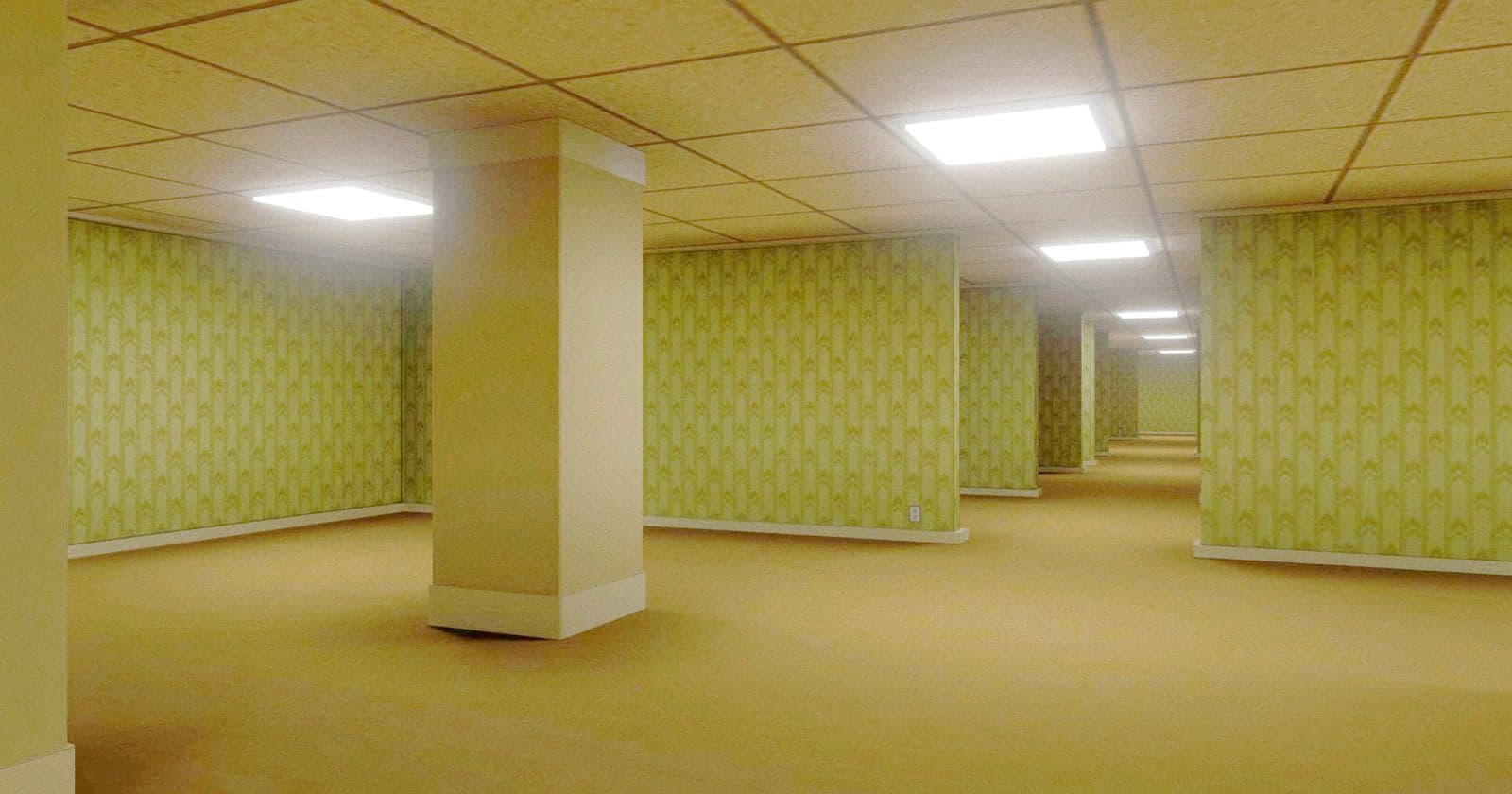
From internet myth to box-office machine
The leap from meme to movie was powered by Kane Parsons, the young YouTuber who directed the film for A24. The studio’s horror release opened with about $81 million domestically and $118 million worldwide, a launch that blew past expectations and pushed the film into a new tier of commercial success.
By June 8, 2026, the film had become A24’s first title to surpass $200 million globally, and it also became the distributor’s highest-grossing worldwide release. Around the same time, box-office coverage described Parsons as the youngest filmmaker to reach No. 1 at the U.S. box office. The numbers matter here because they show how far a single internet image traveled once it found a scalable emotional shape.
Why photographers keep coming back to it
For photographers working in street, documentary, or found-image modes, the Backrooms frame is a reminder that power often lives in the things a picture does not explain. A room with fluorescent light and no obvious narrative can carry more afterlife than a technically polished image with a tidy subject. The picture started as one of countless Sony Cyber-shot files, then outlived its original context because it left just enough visual ambiguity for other people to build a world inside it.
That is the strange gift of Dsc00161.jpg. It proves that a photograph does not need spectacle to become unforgettable, only the right mix of light, emptiness, and unease to make viewers feel they have walked into a place they were never meant to find.
This article was produced by Prism’s automated news system from verified source data, official records, and press releases, then run through automated quality and moderation checks before publishing. The system is built and supervised by the people who set the standards it runs under. Read our full AI policy.
Did this article answer your question?