How Frederick Douglass used photography as a weapon against racism
Frederick Douglass treated portraits like public argument, using dress, pose, and gaze to fight racist caricature and control how Black life was seen.
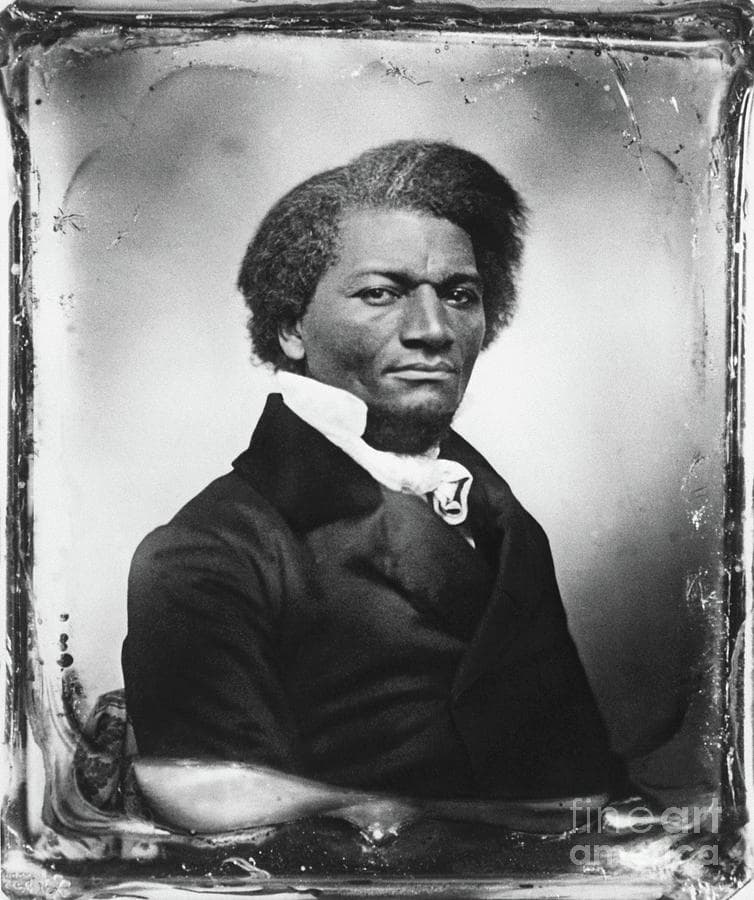
Frederick Douglass understood that a photograph could do more than record a face. In a century when Black Americans were routinely caricatured, excluded, or flattened into racist imagery, he used portraiture to insist on dignity, intelligence, and authority. That made his camera work part abolitionist strategy, not a side note to it.
Portraits as public argument
Douglass did not stumble into photography as a famous subject who happened to sit still. He recognized early that images could shape public perception, and he used that power with the discipline of a media strategist. The National Park Service notes that he spoke about photography’s democratic promise, the idea that it could give ordinary people a more truthful likeness of themselves. For Douglass, that promise mattered because the visual field around Black life had been so distorted.
His portraits were carefully constructed. He often appeared in formal dress, with a stern gaze and controlled posture, and in the National Park Service’s image descriptions he is seen in a suit and tie, fists clenched, eyes fixed on the camera. Those choices were not cosmetic. They were arguments about personhood, made in the language of the portrait studio. Every element, from clothing to expression, pushed back against the stereotypes that circulated in print and public culture.
Abolitionism, not aesthetics
Douglass’s image-making was part of a broader campaign to counter racist caricature and claim Black self-representation. That is why his portrait practice belongs in the history of abolition as much as in the history of photography. He was using the medium to broaden the visual language of the movement, showing Black respectability, intellect, and resolve in a form that could travel far beyond a speech hall.
The scale of that effort was remarkable. The Library of Congress says Douglass was a firm believer in the power of pictures and likely became the most photographed American of the 19th century. Historical educators have also noted that more than 160 separate photographs were made of him, with distinct poses rather than simple duplicates. That kind of repetition suggests a deliberate visual campaign: not one fixed image, but a series of carefully managed appearances designed to keep control of his public identity.
Pictures and Progress
Douglass made that logic explicit in his lecture “Pictures and Progress,” delivered in Boston on December 3, 1861, at Tremont Temple. In that address, he praised photography’s value and lasting power, and he singled out Louis Daguerre as a figure worthy of recognition alongside the great inventors of modern communication and transport. The lecture placed photography in the center of modern life, not on its margins.
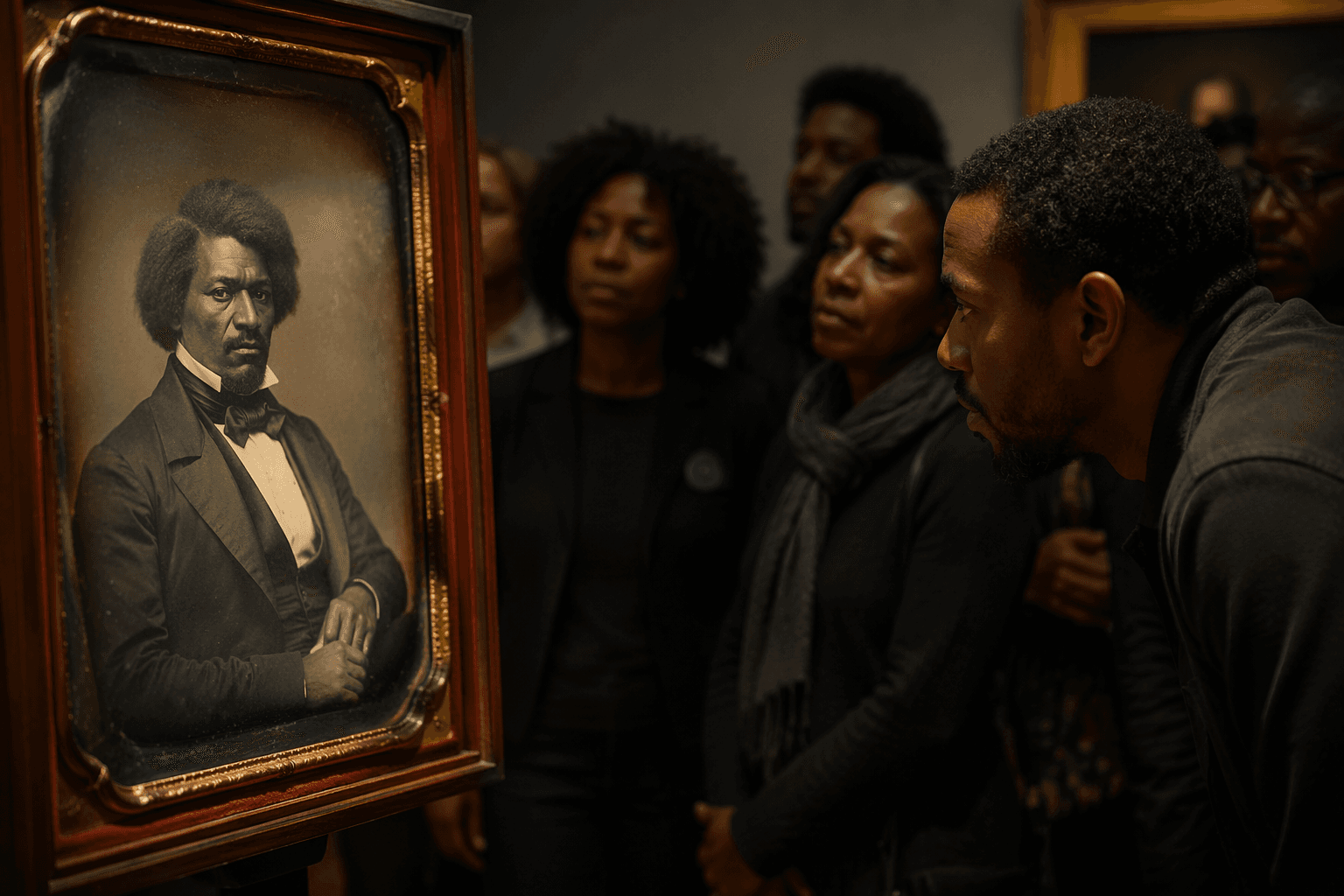
He did not speak about the medium only once. The Gilder Lehrman Institute of American History notes that Douglass gave four separate talks on photography during the Civil War era. That repeated engagement matters, because it shows a thinker who saw images as part of the public sphere, worthy of sustained argument. He was not just posing for the camera, he was explaining why the camera mattered.
What the image had to do
Douglass was born into slavery in 1818 and escaped in 1838, then became a leading voice in the abolitionist movement. That life context sharpened the stakes of his portrait practice. A man who had been legally defined as property understood the radical force of choosing how to appear, where to appear, and what visual cues would frame his presence.
Cedar Hill in Washington, D.C., now preserved by the National Park Service as Frederick Douglass’s historic home and legacy site, anchors that story in place. His home stands as part of the material record of a public life built through speeches, writing, and images. The photographs did not replace the politics, they amplified it, helping circulate a version of Douglass that could stand against the racial imagery of his era.
Why photographers still care
Douglass’s example still lands because the basic problem has not gone away. Photography remains a tool for activism, branding, and political communication at the same time, and the most effective image-makers still understand that representation is never neutral. A portrait can invite trust, project competence, signal resistance, or reclaim control over a narrative before anyone else gets to define it.
That is especially relevant in documentary, portrait, and social-issue work, where the photograph is often the first encounter an audience has with a subject or cause. Douglass showed that a deliberate self-representation can function as persuasion, not just documentation. He used the medium to answer hostile images with his own, and to make dignity visible on purpose.
Douglass’s portraits still work because they were never passive. He stood before the camera with the same intent he brought to the lectern at Tremont Temple, making sure the public saw not a stereotype, but a self-fashioned claim to authority.
This article was produced by Prism’s automated news system from verified source data, official records, and press releases, then run through automated quality and moderation checks before publishing. The system is built and supervised by the people who set the standards it runs under. Read our full AI policy.
Did this article answer your question?