Sony LYTIA 610 sensor boosts resolution with green pixel lens design
Sony’s LYTIA 610 gives green pixels their own 1x1 lens, and Sony says that lifts spatial resolution by more than 20% over its 0.7-micron predecessor.
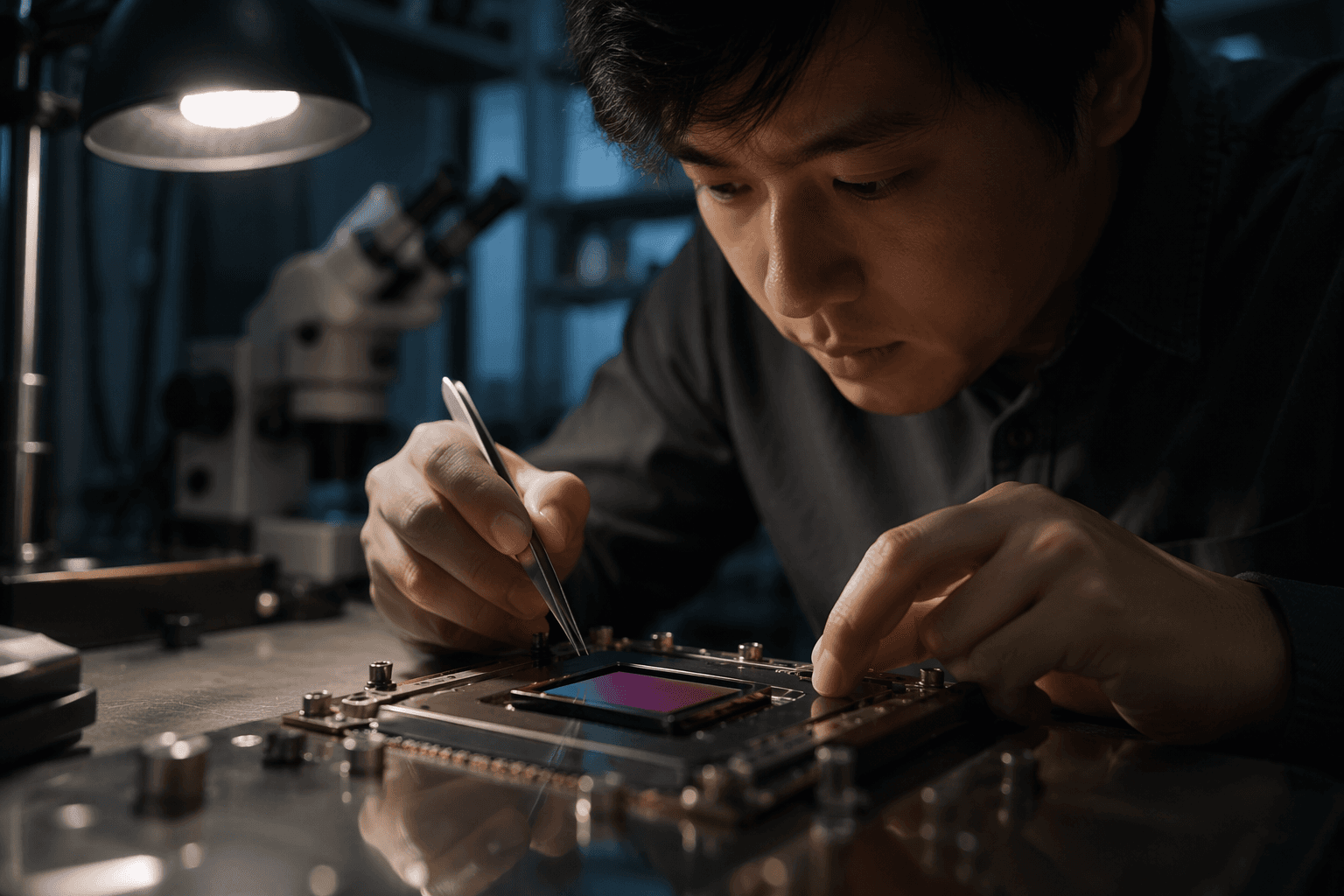
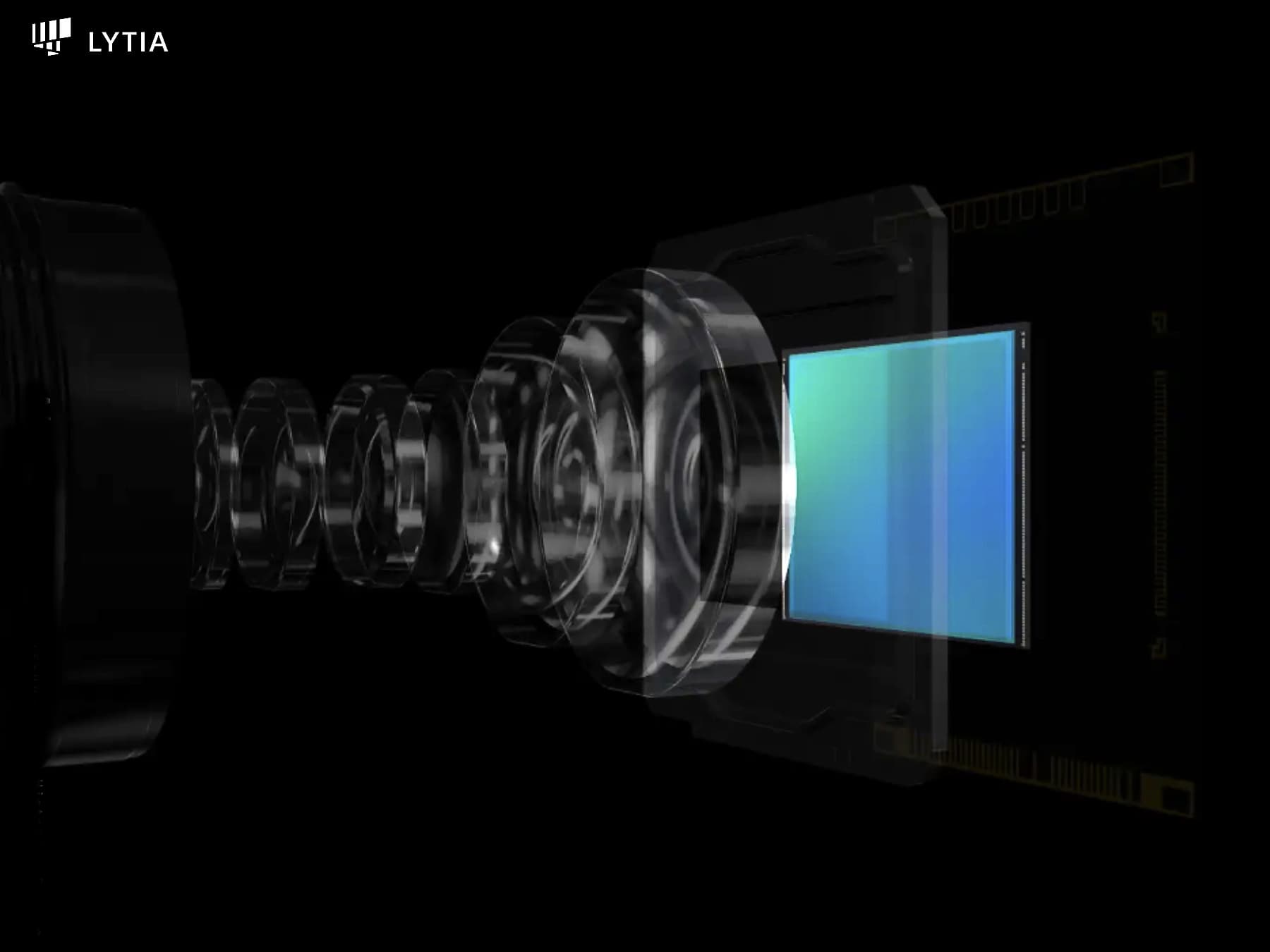
Sony Semiconductor Solutions Corporation introduced the LYTIA 610 in Atsugi, Japan, as a 1/2-type CMOS image sensor with roughly 64 effective megapixels and a new RB2×2 On Chip Lens pixel structure. Sony says it is the first mass-produced sensor using that layout, and the split is simple enough for anyone who has fought soft phone telephoto shots to understand: green pixels get a 1×1 lens to push resolution, while red and blue pixels use 2×2 lenses to help autofocus.
That is the part that should matter in the real world. Sony says the new pixel design, paired with a remosaicing algorithm, delivers more than 20% higher spatial resolution than its conventional 0.7-micrometer sensor, identified in coverage as the LYTIA 601. On paper, that is the sort of gain that should show up where mobile cameras usually stumble: fine foliage, woven fabric, hair, mesh, and distant detail that tends to turn mushy once a phone starts guessing at edges.
Sony also said the LYTIA 610’s improved readout speed enables 4K recording at up to 120 frames per second, a first for the company’s 1/2-type sensors. That matters because it widens the sensor’s appeal beyond stills. Faster readout can help a phone hold together more detail in motion, and Sony is clearly aiming at the kind of multi-camera handset where the telephoto module no longer has to look like the weak link next to the main camera.
The timing fits Sony’s broader LYTIA push. Sony has said its image sensor business holds the world’s largest share of the market, and TechInsights estimated Sony’s smartphone image sensor share at 51% in the second quarter of 2025. When the company moves a core sensor like this, the rest of the phone industry tends to follow, which is why the LYTIA 610 reads less like lab trivia and more like a preview of what will be inside future phones.
For now, though, this is sensor technology, not a handset you can buy today. The practical promise is the one photographers will recognize fastest: a better chance that green leaves, textured jackets, and far-off subjects survive the next round of phone-camera processing with a little more bite intact.
This article was produced by Prism’s automated news system from verified source data, official records, and press releases, then run through automated quality and moderation checks before publishing. The system is built and supervised by the people who set the standards it runs under. Read our full AI policy.
Did this article answer your question?