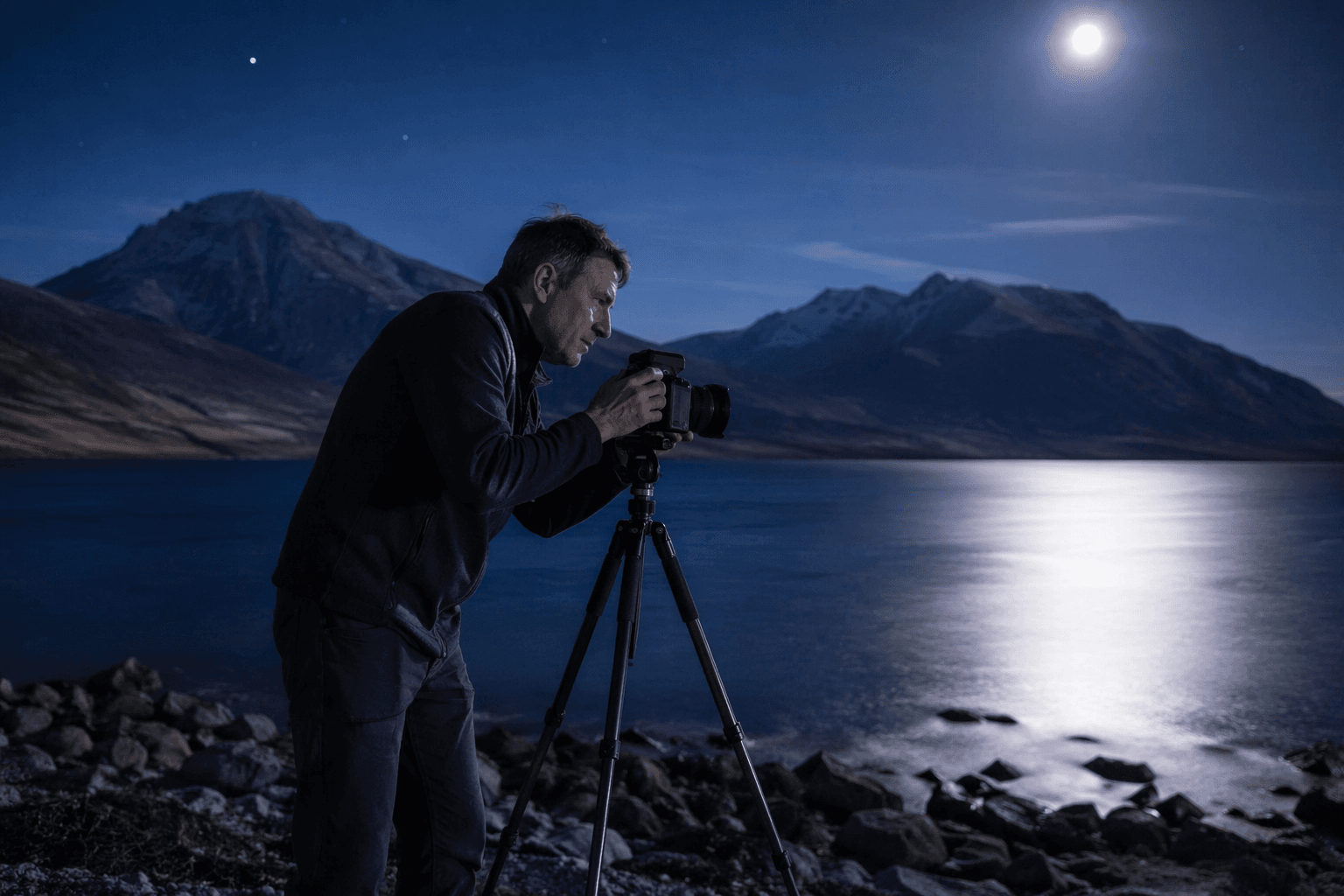
Sophie Adenot captures spectacular aurora from the International Space Station
Sophie Adenot’s latest ISS timelapse turned an aurora into a green ribbon under orbit, showing how space vantage changes motion, scale, and color.
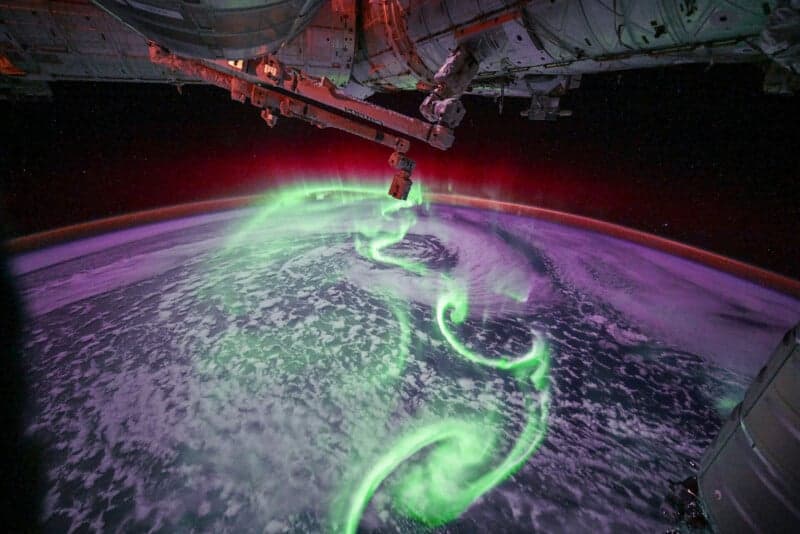
Sophie Adenot’s latest timelapse from the International Space Station showed a vivid aurora shimmering beneath the station, and it did something Earthbound timelapses rarely can: it made the sky feel close enough to touch. Adenot, who has been aboard the ISS since February 2026, said the display was the most spectacular aurora of her mission so far, and the footage lands with the force of a scene that could only happen from orbit.
The appeal is not just that the aurora looks beautiful. From the station, the motion changes completely. Instead of a curtain fixed to one horizon or a band stretching across a landscape, the glow slides under a spacecraft moving at roughly orbital speed, so the atmosphere seems to unspool in real time beneath the camera. That shift in perspective turns a familiar phenomenon into something more dramatic and immediate, with Earth itself becoming the backdrop rather than the subject.
Adenot had already shared eight still images from day 127 of the mission a week earlier, before this latest sequence arrived on July 2, 2026. By then she was about 137 days into her first spaceflight, deep into ESA’s nine-month psilon mission. She launched on February 13, 2026 aboard SpaceX Crew-12, and the official start of the mission came the next day when Dragon Freedom docked with the ISS at 20:15 GMT, or 21:15 CET.
The crew alongside her included NASA astronauts Jessica Meir and Jack Hathaway, plus Roscosmos cosmonaut Andrei Fedyaev. Adenot, 43, brings a very specific eye to the work: she served in the French Air and Space Force, reached the rank of Colonel, and was selected for the European Astronaut Corps in 2022. ESA has called her the first of that 2022 class, the Hoppers, to fly, and that background helps explain why her imagery feels both precise and cinematic.
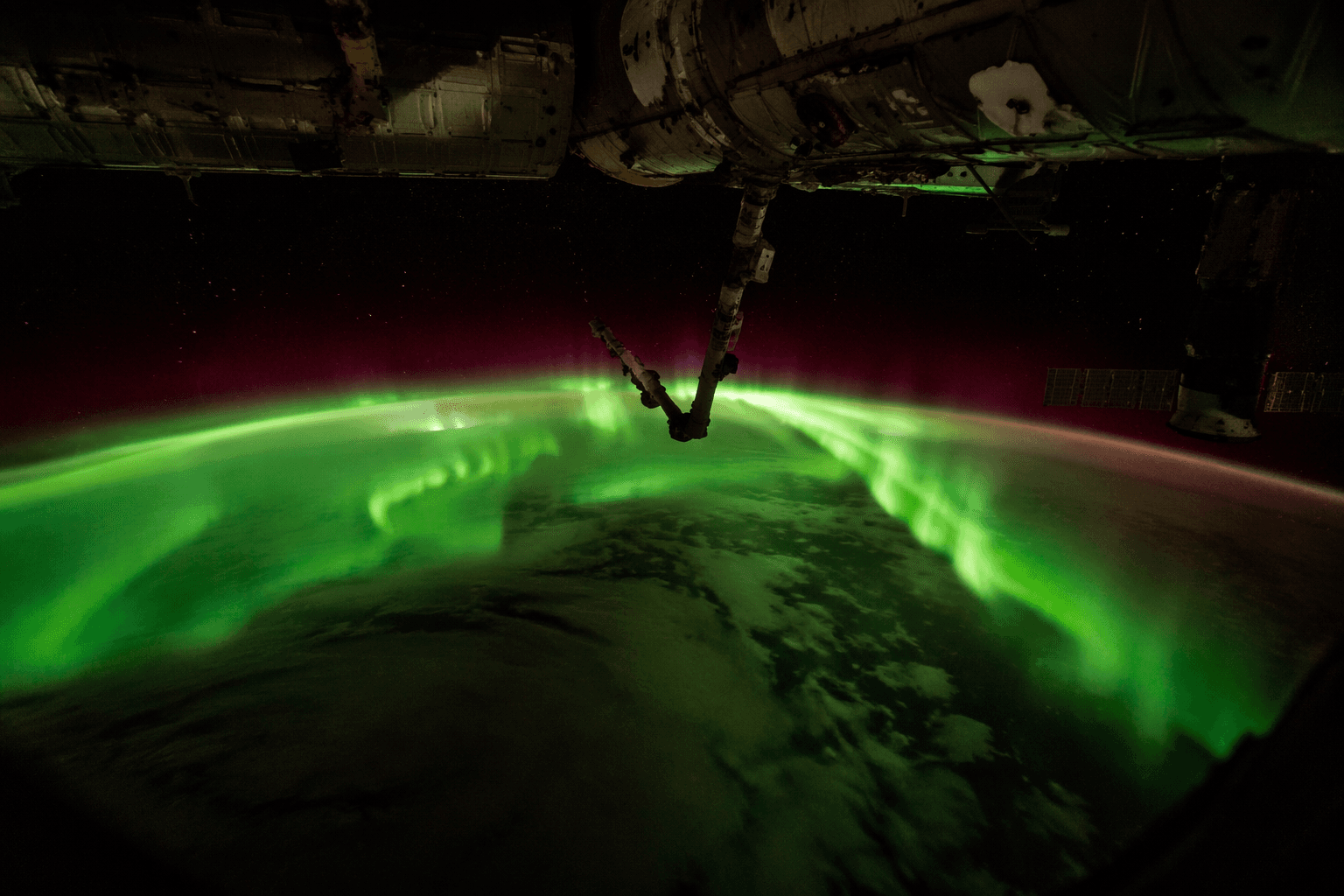
NASA has long described auroras as the result of charged particles from the Sun interacting with Earth’s magnetic field, usually near the polar regions but sometimes farther from the poles during severe magnetic storms. ISS crews typically shoot Earth observations with handheld digital cameras, often through the cupola, where the station’s view of auroras becomes especially striking. That setup creates its own challenge: bright atmospheric color has to be balanced against the darkness of space and the speed of the station itself.
That is what makes Adenot’s aurora clip stand out. It is not just another pretty loop of green light over Earth. It is a reminder that timelapse from orbit changes the rules of the frame, and that an astronaut with the right training, the right window, and the right moment can turn a passing aurora into a rare view of the planet in motion.
This article was produced by Prism’s automated news system from verified source data, official records, and press releases, then run through automated quality and moderation checks before publishing. The system is built and supervised by the people who set the standards it runs under. Read our full AI policy.
Did this article answer your question?