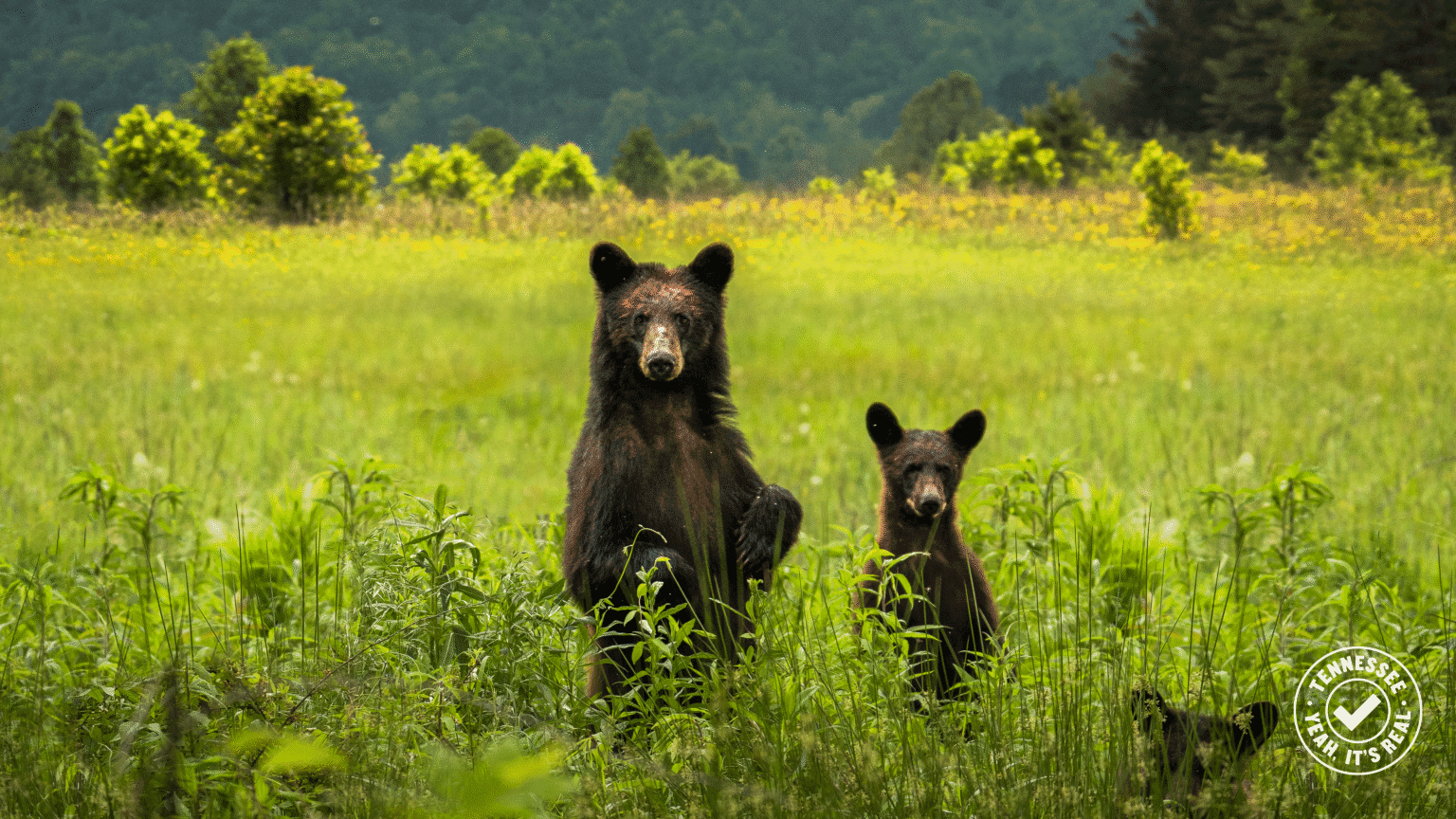
Tennessee has started certifying travel photos as real, launching a “Yeah, it’s real” campaign on June 17 that pairs destination images with content credentials and secure metadata. The Tennessee Department of Tourist Development says the mark is meant to tell travelers that the waterfalls, mountains, parks and viewpoints in the frame are actual places they can visit, not synthetic composites built to sell a trip.
The state’s pitch is rooted in a stark trust problem. In a commissioned Talker Research survey of 2,000 Americans who had recently traveled or were planning a trip, only 5% correctly identified all three real destination photos in a side-by-side test with AI-generated images. Seventy percent said they rely on photos and videos when choosing a destination, 74% said they would not book a trip without seeing photos first, and 71% said they had arrived somewhere that looked different from the images they used to plan the trip. Nearly 4 in 5 of those travelers suspected AI may have played a role in the mismatch.
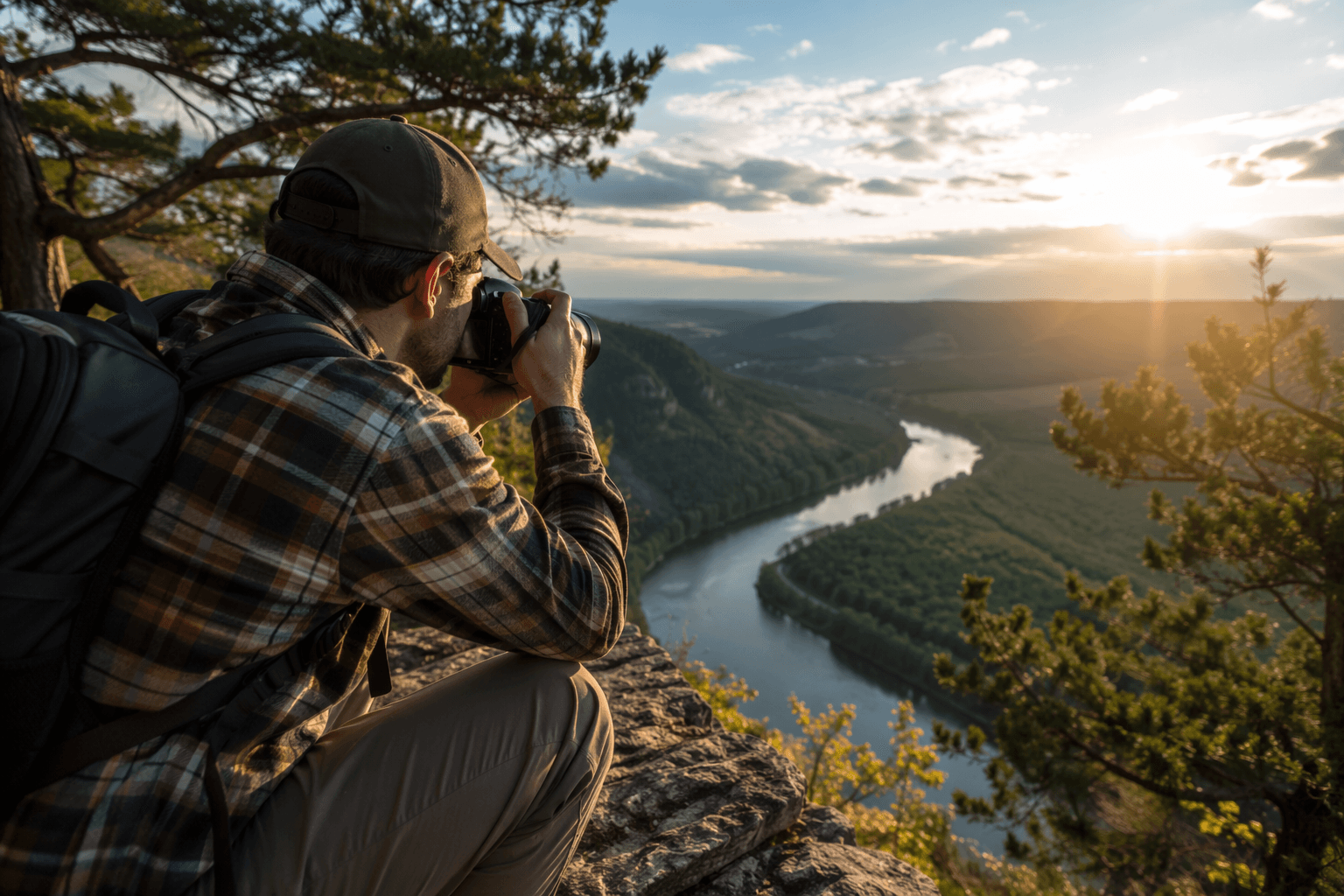
Mark Ezell, Tennessee’s tourism commissioner since January 2019, has framed the certification as a promise that what travelers see matches what they get. The state says certified images include metadata showing who captured the photo, when it was taken, where it was made and what the camera recorded. The Real Seal page also shows exact coordinates, timestamps, photographer names and camera models, pushing the program beyond branding and into provenance.
Tennessee is drawing a practical line on editing. Minor retouching is allowed only when it better reflects what was already there, while AI-generated additions, removals or changes to reality are not allowed. That puts the program closer to documentation than advertising, and it gives travel marketers a rulebook at a moment when synthetic imagery is getting harder to detect. C2PA, the Coalition for Content Provenance and Authenticity, describes Content Credentials as an open technical standard for proving origin and edits, and Tennessee is leaning on that kind of infrastructure for its certified images.
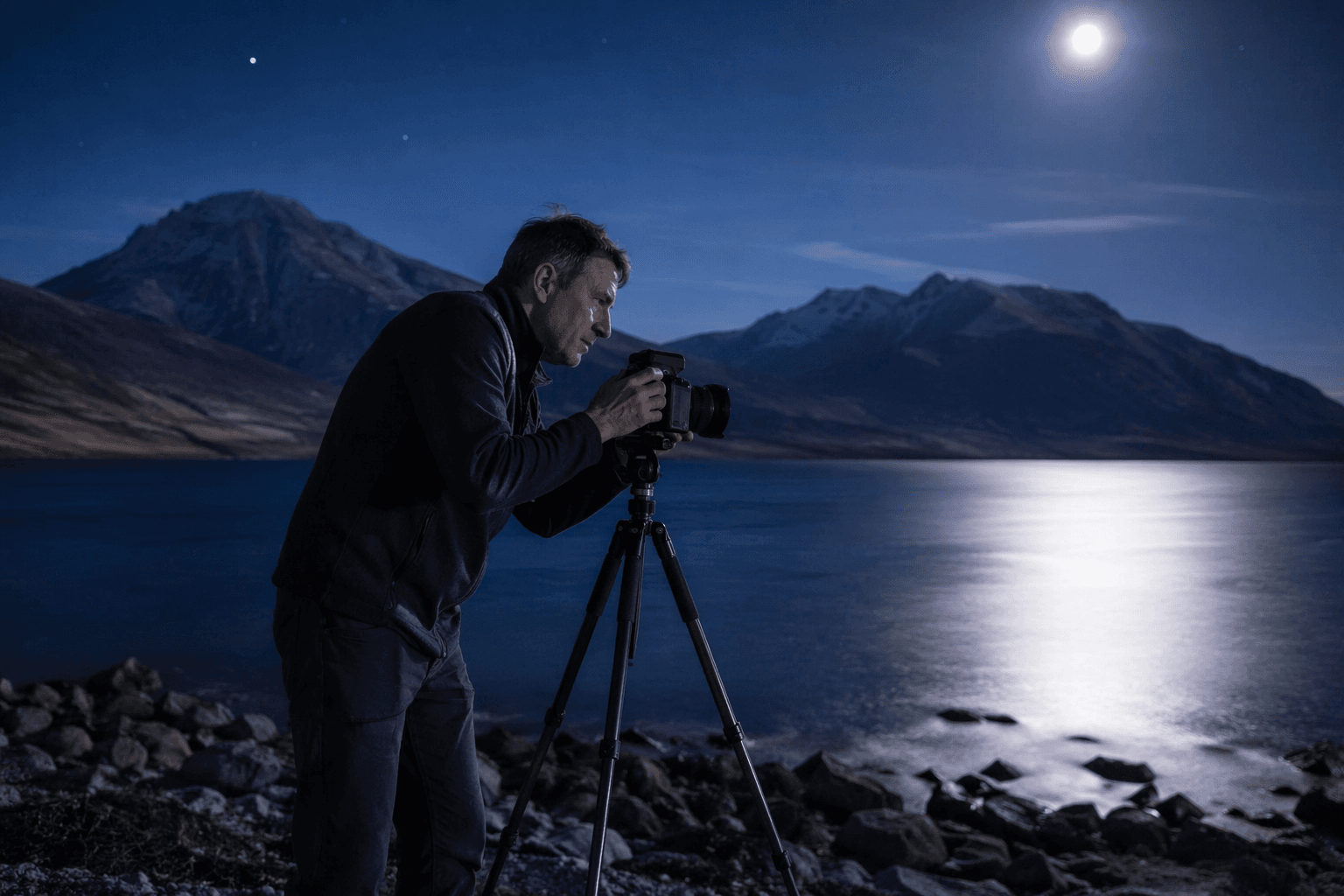
For photographers, the clearest opening is in destination work that depends on trust: landscape shooters, outdoor specialists, travel documentarians and commissioned local photographers who can return from a hike, overlook or roadside pull-off with a file that proves exactly where and how it was made. Tennessee’s own examples, from Great Smoky Mountains National Park and Reelfoot Lake State Park to Lost Creek Falls, Fall Creek Falls State Park, South Holston Lake, the Roan Highlands, Foster Falls and The Road to Bristol, show the visual brief. Clean location work, recognizable landmarks and dependable metadata may become a selling point if more travel clients decide Tennessee’s bet on real images is the safer brand move.
The state has enough tourism volume to make the experiment worth watching. Travel South USA says Tennessee drew 141 million visitors in 2022 and generated $29 billion in direct spending, then ranked 11th nationally for travel spending in 2023. In a market that large, authenticity is no longer just an aesthetic preference. It is part of the pitch.
Every story on Photography News is assembled by an automated editorial system that works from verified research, official records, and credible reporting, then clears automated accuracy and moderation checks before it goes live. The standards that system follows are set and overseen by the people who run the publication. Read our full editorial policy.
Did this article answer your question?