Why a digital twin-lens reflex camera would change photography again
A digital TLR would not just mimic film charm. It could restore waist-level, square-frame shooting that changes how strangers react and how you compose.
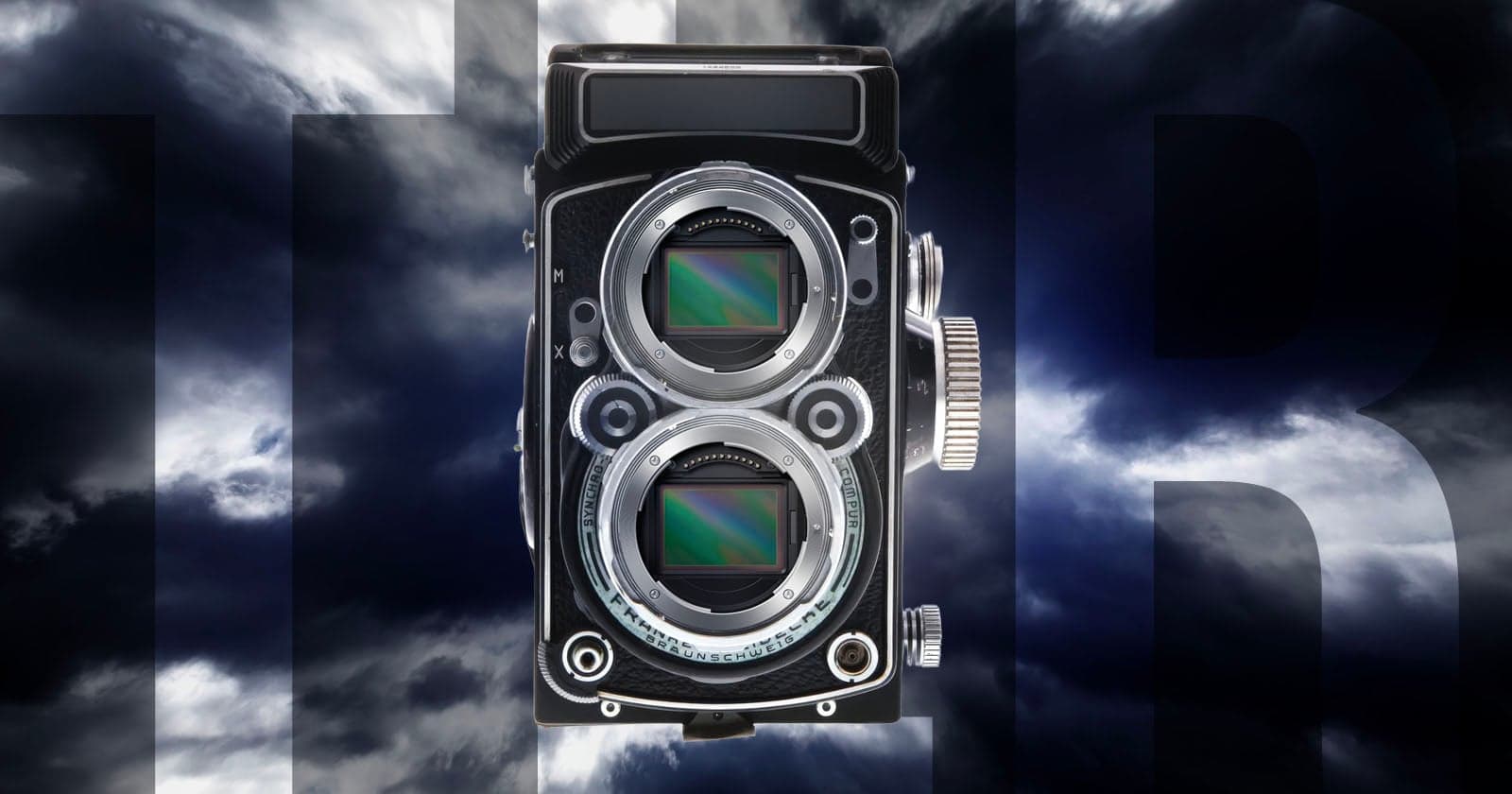
A digital twin-lens reflex camera would matter because it changes what happens between seeing a scene and making the frame. Chris Niccolls argues that the shooting experience is “just as important as the results,” and the TLR is one of the clearest examples of a camera shape that changes behavior before it changes output.
What the TLR gives you that mirrorless does not
The twin-lens reflex is built around a simple but consequential idea: one lens views, the other records. Camera-wiki explains that the two lenses are matched in focal length, with one used for viewing and focusing and the other for the photograph itself. That layout pushes the photographer into a waist-level stance, looking down into the finder instead of lifting the camera to eye level.
That change sounds small until you use it in the street. Traditional waist-level reflex viewing shows a laterally reversed image, so the camera asks for a bit more attention and a bit less speed. Modern reflex cameras typically use a pentaprism for upright, eye-level viewing, which is more direct and efficient. The TLR asks for the opposite: a slower read of the scene, a more deliberate composition, and a shooting rhythm that feels closer to editing while you work.
For waist-level composition, that has real consequences. The lower angle changes perspective, and the square finder encourages a different way of arranging a frame. Niccolls makes that point by treating the TLR as a tool that reshapes the act of photographing, not just the file that comes out of it.
Why street shooters still understand the appeal
The strongest practical case for a digital TLR is how it changes subject interaction. When you are not raising the camera to your face, you do not look as directly locked on to the person in front of you. That can make the camera feel less confrontational and more discreet, which is exactly why the format has long been linked to candid and street work.
That social effect is not nostalgia, it is a working method. A waist-level camera lets you stay present in a scene without announcing yourself in the same way a big eye-level body often does. People often react differently when they do not see the lens pointed straight at them, and that softer footprint is one of the few things mirrorless bodies have never quite duplicated, even when they are small and unobtrusive.
A digital TLR would also appeal to anyone who likes a slower, intentional workflow. The form factor naturally discourages rapid-fire shooting and rewards a more patient read of light, spacing, and gesture. In a world of fast EVFs, articulated screens, and endless burst modes, that restraint would be the point.
The format was never as niche as it looks now
The TLR is old, but it was not a fringe invention. Britannica says the first Rolleiflex was introduced by the German firm Franke & Heidecke in 1928, and that it made twelve 6 cm square exposures on 120 film. Britannica also notes that TLRs stayed popular until 35mm SLR systems became dominant, which tells you the format did real work before it became a connoisseur’s object.
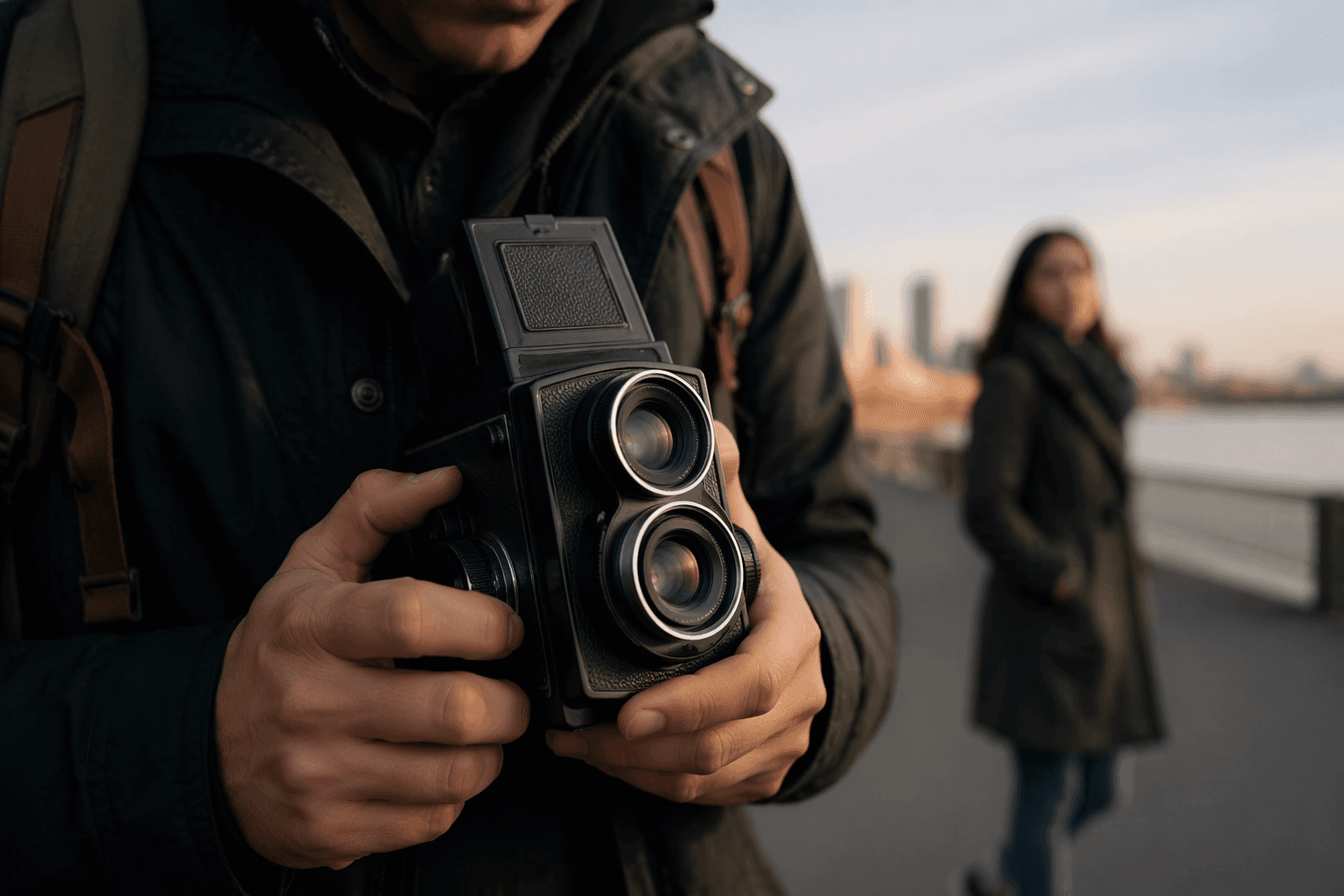
There is a reason the Rolleiflex still carries weight in camera culture. Britannica describes it as durable, precise, and compact enough to be widely favored, even though it was still a dual-lens roll-film camera with a bulky fixed-mirror reflex housing and a top screen above the film box. That combination gave photographers the square 6x6 image, the waist-level finder, and a body that felt engineered for deliberate use.
The broader historical record backs up how much ground the format covered. A TLR guide cataloging 49 models spans 1928 to 1986, and that range makes clear that the design lasted long enough to evolve, not just appear and vanish. Yashica’s first camera was also a TLR, taking twelve 6 cm by 6 cm negatives on 120 film, another reminder that major camera makers treated the format as a serious platform, not a novelty.
Where digital could actually change the game
A digital TLR would not need to chase the entire film experience to be useful. Its real value would be in packaging the waist-level finder, the square-frame discipline, and the lower-profile street presence into a camera people can carry every day without loading film. That is the practical gap: not a replica of analog texture, but a new way to make modern images feel more considered.
It would also be a distinct companion camera in a market that already has plenty of excellent mirrorless bodies. Niccolls’s argument lands because the problem is not resolution or autofocus, it is how the camera makes you work. If a digital TLR could keep the TLR’s posture and interaction while giving you instant review, memory cards, and modern sensor performance, it would not just be a gimmick.
There is already at least one consumer product testing that premise. CHUZHAO markets a 12MP digital TLR with 1080p video, which shows the idea has moved from forum fantasy into actual hardware. That does not make the category proven, but it does show a live market for the form factor, even if it remains small.
The real question is whether the shape earns its place
Mirrorless cameras already solve the technical side of photography very well. They are compact, smart, and flexible, and they can approximate some waist-level habits with flip screens and creative handling. What they do not automatically solve is the emotional and social effect of the camera itself, the sense that the machine is guiding your pace and your relationships in the scene.
That is why a digital TLR would be more than a retro exercise if it were built seriously. It would give photographers a camera that asks them to look down, slow down, and see the frame as a deliberate act. If that sounds romantic, it is, but it is also a working advantage, and the format’s long history from the Rolleiflex to Yashica to today’s niche digital attempts suggests the idea keeps returning because the problem never really went away.
A digital TLR would not replace mirrorless. It would do something narrower and more interesting: make photography feel tactile, social, and intentional in a way today’s cameras rarely do.
This article was produced by Prism’s automated news system from verified source data, official records, and press releases, then run through automated quality and moderation checks before publishing. The system is built and supervised by the people who set the standards it runs under. Read our full AI policy.
Did this article answer your question?