World Cup host cities ranked by the most photographed landmarks
The best World Cup side trip is often the landmark outside the stadium. Popsa’s 2025 photo data puts the Empire State Building, CN Tower, and Museo Soumaya in the lead.
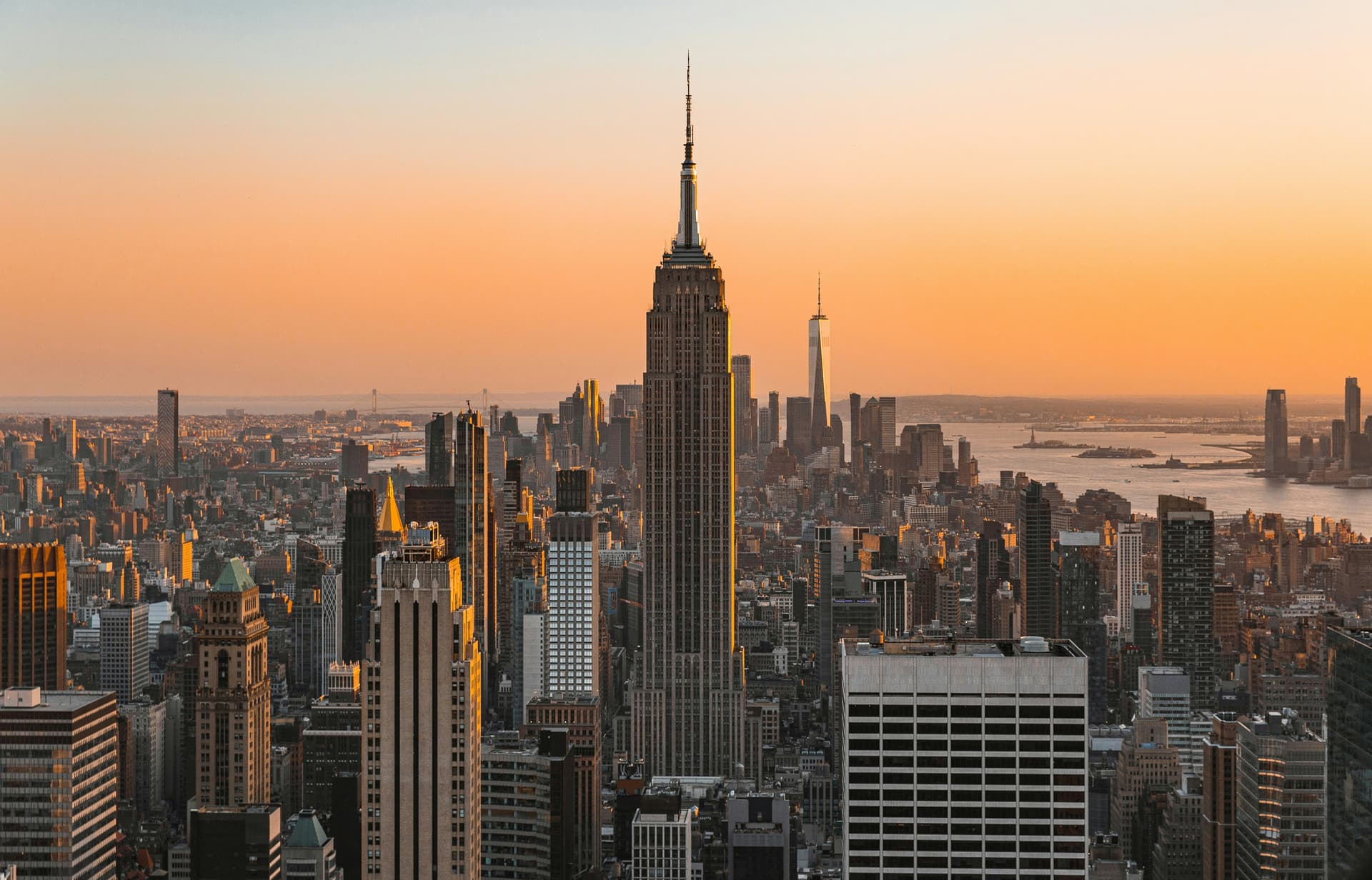
1. New York New Jersey, Empire State Building
FIFA’s 23rd World Cup runs from June 11 to July 19, 2026, across 16 host cities in Canada, Mexico, and the United States, with 48 teams and 104 matches. Popsa’s data science team analyzed millions of customer-uploaded photos from 2025, using location metadata and photo volume to rank the most photographed spot in each city, and New York New Jersey lands at the top because the Empire State Building is still the cleanest skyline anchor in the whole tournament map.
2. Toronto, CN Tower
Toronto has one of the earliest useful windows for a photo stop, with FIFA’s schedule placing it on June 12. The CN Tower gives you a straightforward day-to-night target, the kind that works for a wide skyline frame, a compressed telephoto shot, or a blue-hour return after the match.
3. Mexico City, Museo Soumaya
Mexico City opens the tournament on June 11, which makes it the most obvious place to build a first-day shoot around the city itself. Museo Soumaya is one of the list’s best examples of a landmark that rewards shape, reflection, and close framing, not just postcard distance.
4. Seattle, Space Needle
Seattle follows on June 13, and the Space Needle is exactly the sort of subject that makes a camera bag worth carrying between fixtures. It is a clean vertical subject with strong night appeal, which is why it plays so well in a tournament that keeps moving from city to city.
5. San Francisco Bay Area, Alcatraz
Alcatraz gives the Bay Area a subject that is less about a single postcard and more about silhouette, water, and distance. That makes it a strong choice for photographers who want a landmark with layered foregrounds rather than another straight skyline shot.
6. Miami, Wynwood Walls
Miami’s Wynwood Walls is the most color-forward entry in the group, and that matters in a ranking built from actual upload behavior. Street art changes the kind of camera movement you make in the city, shifting the frame from architecture to texture, murals, and people in motion.
7. Kansas City, National WWI Museum and Memorial
Kansas City is one of the surprise additions that keeps this from reading like a standard icon parade. The National WWI Museum and Memorial gives the city a formal focal point that stands apart from the usual tower-and-tower lineup, which is part of why it belongs on a photographer’s route.
8. Monterrey, Hotel Safi Metropolitan
Monterrey’s most photographed spot is the sharpest curveball in the ranking because it is a hotel, not a monument. Hotel Safi Metropolitan is the kind of result that tells you Popsa’s list is built around what people actually shoot, not what a city brochure assumes they should shoot.
9. Vancouver
Vancouver lands on June 13, right at the tail end of the opening-wave matches. That timing makes it a useful place for a slower city shoot, where the real value is in working the streets and skyline around the game instead of trying to force every frame through the stadium gate.
10. Los Angeles
Los Angeles is on FIFA’s June 12 slate, which puts it early enough to fit into a photo-first itinerary without feeling rushed. In a tournament spread across three countries and 16 cities, early placement matters because it gives you more room to chase city light before the calendar gets tight.
11. Guadalajara
Guadalajara is one of the two opening-day cities on June 11, and that gives it immediate street energy. For a photographer, that means pre-match movement, transit flow, and crowd buildup are part of the story, not just the moment the whistle goes.
12. Philadelphia
Philadelphia sits in the U.S. host-city wave that follows the June 11 openers. That makes it a practical stop for city shooting, especially if you want a route that balances match-day access with the kind of pedestrian texture that gives a frame some life.
13. Boston
Boston is another city that comes online after the tournament’s opening trio of dates, June 11 through June 13. Its value is in the compactness of the city experience, where you can move quickly from game-day logistics to a usable urban frame without needing a full-day detour.
14. Dallas
Dallas belongs to the early U.S. schedule cluster, which matters if you are trying to stack multiple host cities into one trip. The appeal here is less about a single famous outline and more about the efficiency of turning a match day into a broader city shoot.
15. Houston
Houston is part of the same early host-city rollout, which keeps it firmly in the practical camera-bag category. Popsa’s ranking is based on millions of 2025 uploads, so its presence here is a reminder that photographers often gravitate toward places that work well in the frame, not just in the guidebook.
16. Atlanta
Atlanta closes the list as one of the 16 host cities in FIFA’s three-country tournament, and that is the real takeaway from the ranking. When the World Cup stretches from Mexico City to Vancouver, the strongest side trip is usually the city itself, with the stadium acting as the timing cue and the landmark doing the visual heavy lifting.
This article was produced by Prism’s automated news system from verified source data, official records, and press releases, then run through automated quality and moderation checks before publishing. The system is built and supervised by the people who set the standards it runs under. Read our full AI policy.
Did this article answer your question?