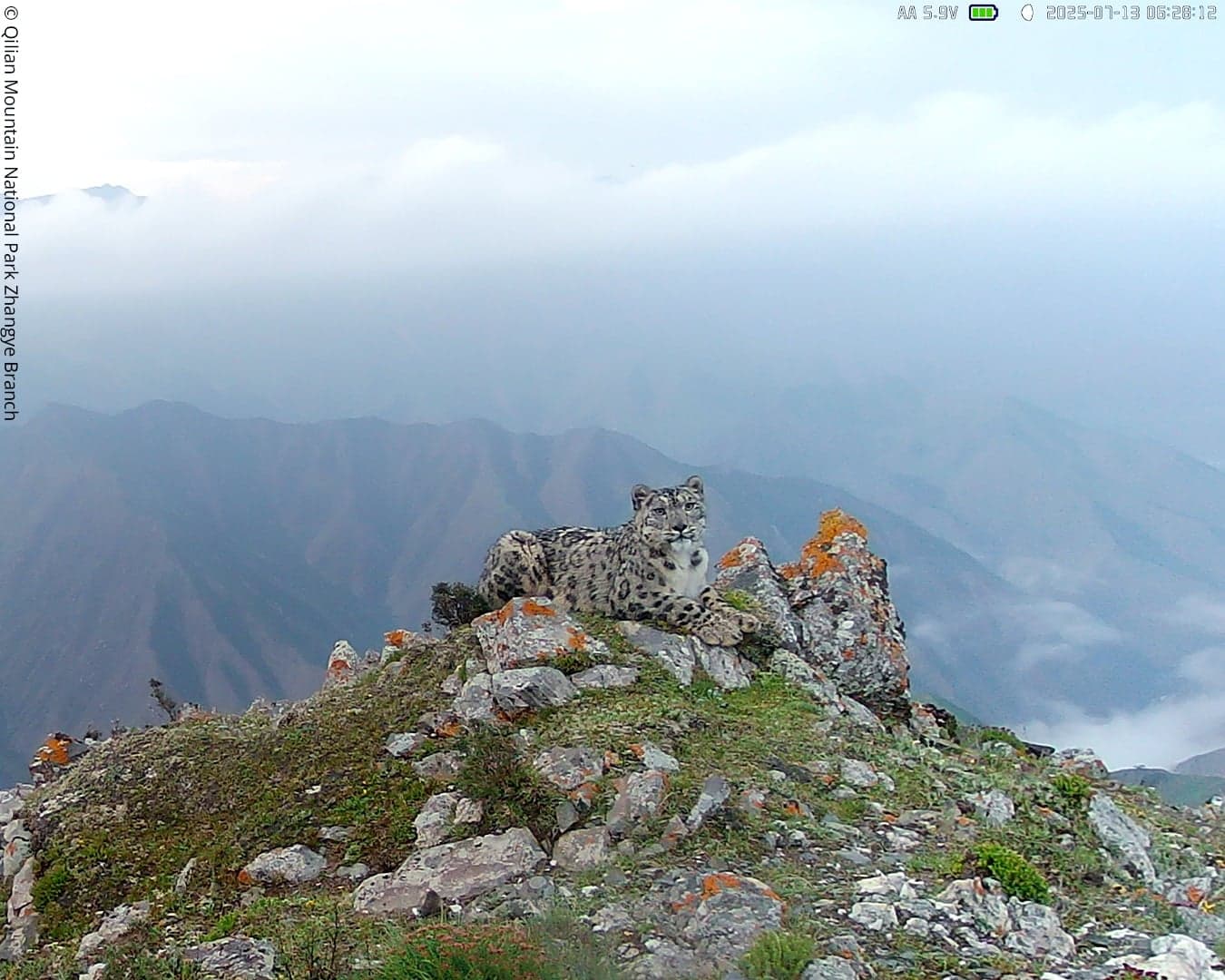
A grid of 160 infrared cameras hidden across China’s alpine country has already produced more than 600 snow leopard photos and 157 separate sightings, including a rare frame that caught two snow leopards together. The survey, run by WWF in places including Qilian Mountain National Park and Wolong National Nature Reserve, shows how a camera-trap rig can pull off an image that a human photographer is unlikely to get in person.
The setup works because it is built for the mountain, not for the person carrying it. WWF describes camera traps as remote, noninvasive units triggered by infrared sensors when body heat or movement passes in front of the lens, allowing them to work day and night in inaccessible terrain. In this survey, that mattered because the cameras were operating in alpine conditions where temperatures can drop to -40 degrees Celsius, far beyond what most field photographers would want to endure with a handheld rig.
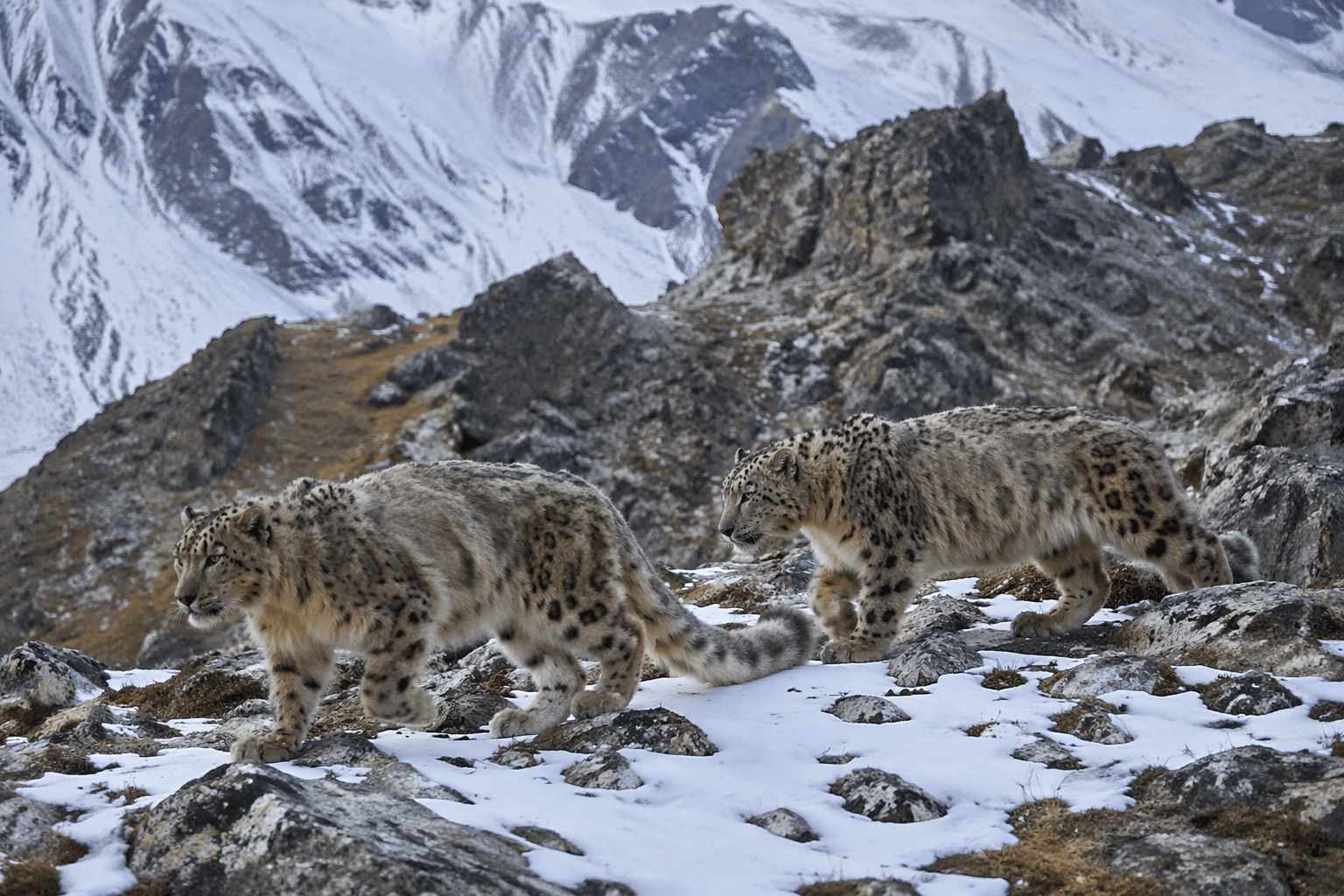
That technical endurance is what turns the photos into more than a wildlife gallery. Snow leopards range across 12 Asian countries, but WWF says about 60% of their habitat is in China and that close to 772,204 square miles of range is involved. More than 70% of that habitat remains unexplored, and a 2021 WWF report said only about 23% of the species’ 1.7 million square-kilometer habitat had been explored. For a cat that is famously hard to study, every frame from a fixed camera adds another data point on presence, movement and habitat use.
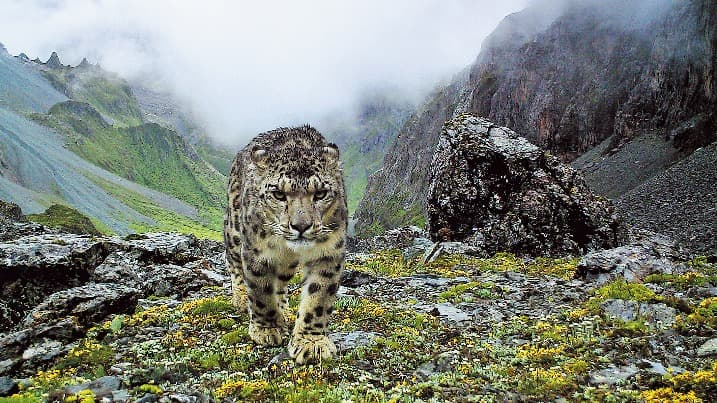
The cameras did not just find snow leopards. They also recorded lynx, ibex, red deer, Sichuan takin, wild dogs and foxes, which is the real appeal of a well-placed camera-trap network: one deployment can sketch an entire high-altitude ecosystem. A 2024 camera-trapping study in Qilian Mountain National Park found the same kind of network also picked up livestock and human activity, underscoring how these systems can serve both biodiversity work and wildlife protection. In other words, the magic shot was not luck. It was placement, timing and weatherproof hardware doing exactly the job the mountain demanded.
Every story on Photography News is assembled by an automated editorial system that works from verified research, official records, and credible reporting, then clears automated accuracy and moderation checks before it goes live. The standards that system follows are set and overseen by the people who run the publication. Read our full editorial policy.
Did this article answer your question?