NASA-awarded photographer captures Namibia’s zodiacal light and Milky Way
Aleix Roig stitched zodiacal light, airglow and the Milky Way into one Namibia panorama, a frame that depends on perfect timing and very dark skies.

A panorama from Namibia packed zodiacal light, airglow and the Milky Way into a single frame, the kind of nightscape most photographers assume belongs in the impossible pile. NASA-awarded astrophotographer Aleix Roig made the image on July 9, 2026, and the result reads like a fieldcraft test: one clean horizon, one narrow timing window and enough sky quality to hold three faint phenomena at once.
Roig shot the frame during the 2026 PHOTOTRIP Namibia expedition organized by the Parc Astronòmic Muntanyes de Prades. By the next day, he was in Tivoli Astrofarm in Namibia’s Kalahari Desert, where he highlighted the country’s exceptional dark skies, scientific facilities and growing astro-tourism potential. Roig, a Spanish astrophotographer and astronomy communicator who is also co-CEO of Mizar Xperience, has made Namibia a recurring stop in his own work, with earlier images from September 2024 near Tivoli Astrofarm and another 2024 Southern Milky Way capture from the same area.
The reason this panorama lands so hard is that each element has its own rules. NASA explained in 2010 that zodiacal light is sunlight reflected by interplanetary dust particles in the inner Solar System, which means it shows up best after sunset or before dawn, when the sky is dark enough for that faint triangular glow to separate from twilight. NASA’s AWE materials describe airglow as an ethereal radiance at the boundary between Earth’s atmosphere and space, a barely-there layer that can be lost in mediocre skies or overprocessed frames. Put those with the Milky Way and the photographer needs not just a dark site, but careful exposure choices, a stable tripod, and a panorama workflow that keeps the faint gradients intact.
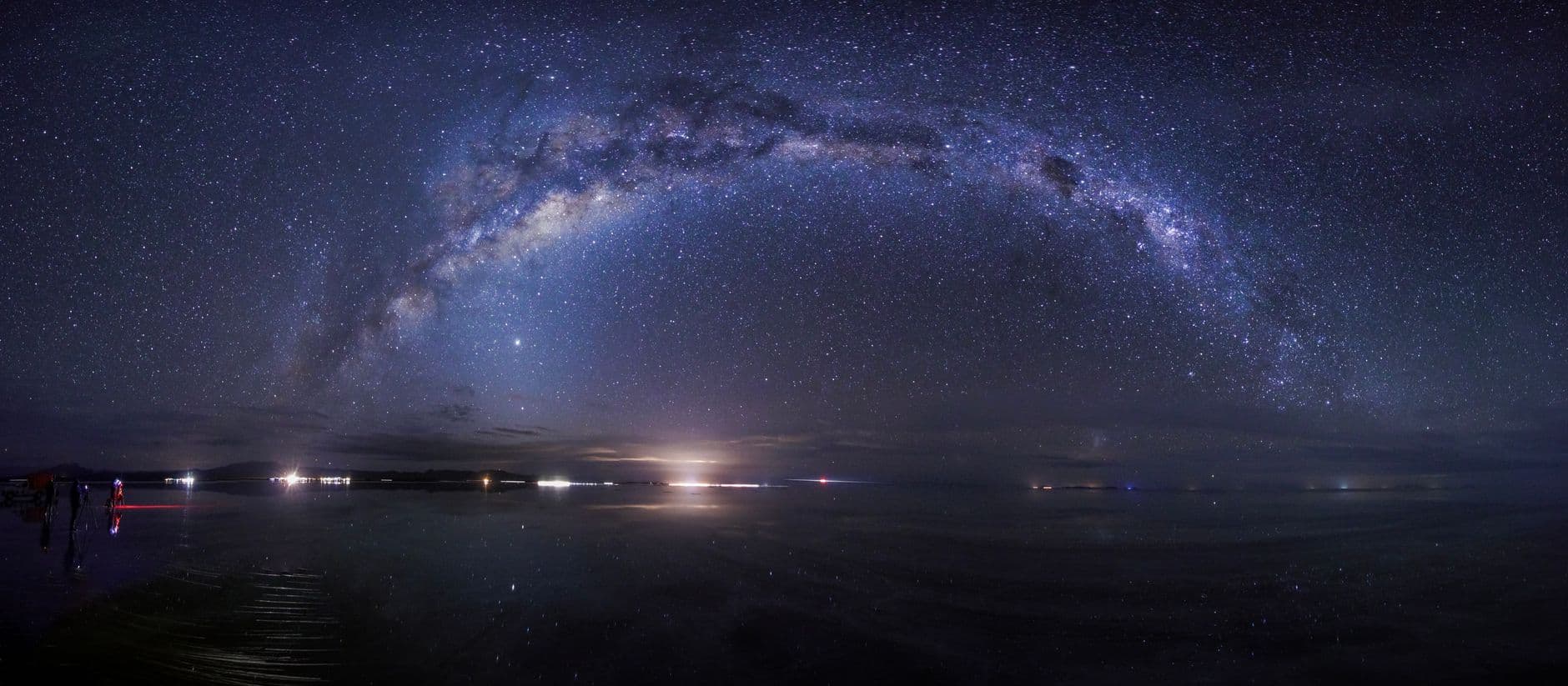
That is where the Namibia factor matters. NASA’s APOD archive has already used Namibia to showcase the same kind of sky in 2018, and earlier work in 2010 framed zodiacal light over the country as a benchmark scene for dark-sky imaging. Roig’s own repeated returns to Tivoli Astrofarm make the point even more clearly: the location is doing part of the work, but the rest is repeatable for advanced amateurs willing to plan around moon phase, horizon clarity and post-processing restraint. The dream shot is rare, but the method behind it is not, and Namibia keeps proving that the difference is in the execution.
This article was produced by Prism’s automated news system from verified source data, official records, and press releases, then run through automated quality and moderation checks before publishing. The system is built and supervised by the people who set the standards it runs under. Read our full AI policy.
Did this article answer your question?